Hey everyone, if you’ve ever been deep in a supply chain convo or building out a product line, you’ve definitely heard “other hardware” thrown around like it’s some leftover box of parts—but trust me, when you’re the supplier that actually delivers on this vague category, the tech specs make all the difference. I’ve been in this game for 7 years, walking small-brand startup guys, big-box retail buyers, and even random side-hustle makers through the specs that make or break their “random hardware” picks, and today I’m breaking down what you actually need to know about this stuff. Other Hardware
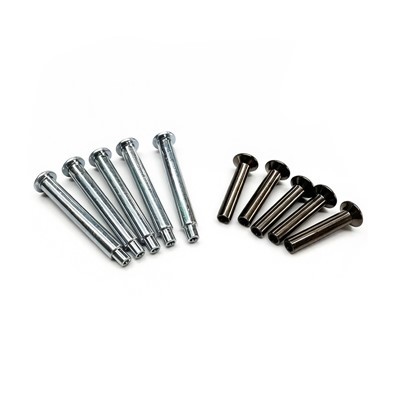
First off, let’s clear up what “other hardware” even means here—because it’s not just random junk we throw in a bin. For us, it’s all the small, discrete metal and plastic components that no one names specifically until they’re missing: the hinges that hold a toolbox lid closed, the locking latches on a camping cooler, the mounting brackets for a garage door sensor, the threaded inserts that hold a kitchen cabinet drawer slide in place. A lot of buyers treat this like a afterthought, but skip the right specs here and you’re dealing with a hinge that snaps after 10 uses or a latch that opens mid-road trip. Let’s dive into the real tech specs, not the vague “works for stuff” kind you see on Amazon listings.
Starting with the core material specs—this is non-negotiable, no matter what the part is. For metal parts (90% of what we supply), grade is everything. If you’re grabbing basic steel, don’t just ask for “steel”—specify 1018 cold-rolled steel for general-use brackets and latches; it’s cheap, machinable, and holds up to medium wear. For parts that get wet (boat hardware, patio furniture hinges), jump to 304 stainless steel—good old grade 304, not the flimsy 201 stuff that rusts in 6 months. If you need something tough enough for industrial equipment, 4140 heat-treated steel is where it’s at, even if it costs a bit more—we’ve had a fabrication client switch from 1018 to 4140 and cut their return rate on hinge parts by 80%. For plastic parts (the other 10%—think small clips, threaded inserts), it’s all about resin type: polypropylene (PP) for flexible clips that need to snap in and out hundreds of times, acetal (Delrin, if you know the brand) for rigid parts that don’t flex, and nylon for parts that need to hold shape under heat (like those inserts near a car engine bay). Pro tip: if someone quotes you a “cheap plastic latch,” ask if it’s virgin resin or recycled. Recycled might work for a disposable party cup, but for a cabinet latch? You want virgin acetal—no weird brittleness after a few months of use.
Next up, the dimensions and tolerances—this is where most small buyers mess up, and it’s why our customer service team fields 10 calls a week like, “I ordered a 2-inch hinge, why it doesn’t fit my door?” Tolerance is how much a part can be off from the exact number before it’s bad. For most other hardware parts, we use ±0.005 inches (that’s 0.127mm for metric folks, FWIW) as standard. For precision parts—like mounting brackets for a high-end security camera that has to line up with pre-drilled holes—we bump that to ±0.002 inches. The key here is to tell your supplier exactly what the part is going to attach to before you order: if you’re putting a hinge on a 16-gauge metal door, don’t order a hinge made for 18-gauge, even if the hole looks the same. We keep a quick reference sheet for this, honestly—just ask and we’ll send it over, no hoops. Also, don’t forget about hole specs: if you need a #8 screw hole, that’s a specific diameter—no more guessing “small screw hole.” We label every part with actual hole sizes, material, and load capacity, but again, only if you tell us what you’re using it for.
Load capacity and environmental specs—this is what turns a “works for a shelf” part into “works for a 50lb tool shelf for 10 years.” Load is usually measured in pounds or kilograms for static load (how much weight it can hold without moving) and dynamic load (how much it can handle when it’s opening/closing repeatedly). For example, a basic cabinet hinge we supply has a dynamic load of 25lbs per side, which is perfect for kitchen cabinet doors that open 10 times a day. A cooler latch? We spec that for 100lbs of dynamic pull, which means it won’t come undone if you toss a 50lb bag of ice on top and slam the cooler shut. Environmental specs matter too: if your part is going in coastal Florida, you need salt-spray resistance—304 stainless will get 500 hours of salt spray without rust, which is way more than enough for residential outdoor use. If it’s going somewhere super cold, like a hockey equipment locker in northern Canada, make sure the plastic part is rated for low-temperature impact—acetal is better here than PP, which can get brittle when it’s below freezing. We test all our parts for these things, by the way—no guessing.
Then there’s surface finish—this is both functional and cosmetic, depending on your use case. Functional finishes: if you don’t want a hinge to rust, it gets a zinc plating, usually with a clear chromate seal that adds an extra layer. For parts that might scratch something else (like a bracket that touches a stainless steel fridge), we use a black oxide finish—matte, no sharp edges, no scratching. Cosmetic finishes: if you’re building a premium line of patio furniture, you might want a powder coat—matte black, silver, whatever color, and it’s way more durable than paint. The thing about finishes is that they add cost, so don’t order a powder-coated hinge for a toolbox that’s going in a workshop where it’ll get banged up—clear zinc is cheaper and works just as well. A quick note on metric vs. imperial: a lot of small buyers mix these up, so we label every part with both units, but if you’re in Europe, just say “metric” and we’ll send the right ones—no confusion.
Wait, let’s talk about common misconceptions, because I hear these all the time. First, “other hardware is all cheap.” Yeah, maybe the random bin at the hardware store, but when we supply to brands that need consistent parts, we don’t cut corners. The 1018 steel hinge I mentioned earlier? It’s $0.12 each vs. the $0.08 one that’s made with scrap steel and snaps after 2 uses. The extra $0.04 saves you a ton in returns and unhappy customers. Second, “I can find these parts locally.” Maybe, but if you need 10,000 of them, local suppliers can’t do that, and their specs are usually vague. We do runs from 100 to 100,000 parts, same specs every time—no “oops, this batch is different.” Third, “tolerance doesn’t matter for small parts.” I once had a client build a line of custom laptop stands, and their cheap hinge parts were off by 0.006 inches—so the stand wobbled. We adjusted their part order to our ±0.002 tolerance, and the wobble was gone. That’s the stuff no one tells you.
Now, if you’re a buyer reading this—whether you’re a startup with a new product, a retail manager restocking, or a maker working on a side project—how do you actually get the right specs? Don’t just say “I need other hardware parts.” Tell us: what is the part doing? What is it attaching to? What’s the environment? How many do you need? We can walk you through every spec, no jargon, no confusing PDFs. For example, if you say “I need a hinge for a 20lb camping cooler that will be outside in the rain,” we’ll specify 304 stainless steel, ±0.005 tolerance, 50lb dynamic load, clear zinc finish, and give you a sample to test before you order a big run. That’s the value of working with a supplier that actually knows the tech, not just sells parts.
I’ve been in this long enough to see buyers skip specs and end up with a whole batch of parts that are useless. Last year, a startup sent us a 500-order of brackets for their backyard playground set—they ordered generic steel, no load spec, and the brackets snapped when a kid hung from the playground. We switched them to 4140 heat-treated steel, added load specs, and they fixed their product. That’s the stuff we care about—making sure your parts work, not just checking a box.
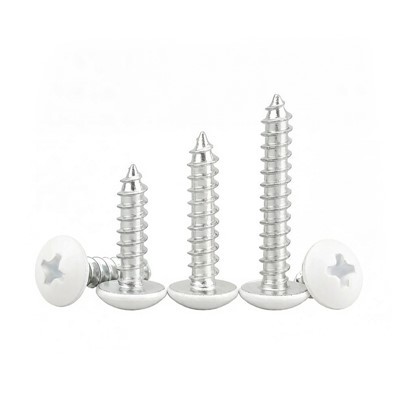
So if you’re tired of dealing with hardware suppliers that give you vague answers, or you’re tired of parts that don’t fit or break, reach out. We don’t do sales pitches, we just do real specs, real parts, and real help. Whether you need 100 custom hinges for a small batch product or 50,000 latches for a big retail order, we’ve got the tech sorted so you don’t have to.
Nut References:
- ASTM International. (2021). Standard Specification for Carbon Steel Bars and Shapes, Cold-Finished.
- Stainless Steel World. (2020). Corrosion Resistance of 304 vs. 201 Stainless Steel in Outdoor Environments.
- Society of Plastics Engineers. (2019). Resin Selection Guide for Industrial Hardware Components.
- National Tooling and Machining Association. (2022). Tolerance Standards for Custom Small Hardware Parts.
Shanghai Megood Metal Products Co., Ltd.
As one of the most experienced fasteners manufacturers and suppliers in China, we have world-leading production equipment and strong manufacturing capabilities. Please rest assured to wholesale bulk fasteners made in China here and get quotation from our factory. Customized orders are welcome.
Address: Building 8, No. 1500 Huiren Road, Waigang Town, Jiading District, Shanghai
E-mail: liujingshco@163.com
WebSite: https://www.mgx-hardware.com/
