Hey there, fellow packaging folks, small business owners, and anyone who’s ever stared at a roll of brown kraft paper wondering if it’s gonna give up the second you grab a corner—let’s talk about the big question: Does brown kraft paper tear easily? Brown Kraft Paper
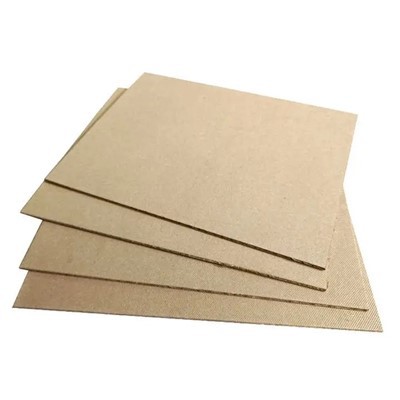
First off, full disclosure: I’m the guy who’s spent the last 8 years in the thick of it, selling brown kraft paper to everyone from craft breweries shipping hop boxes to indie bookstores wrapping first editions. I’ve heard every version of this question—usually while a customer’s panicking because their last supplier’s paper shredded mid-shipment, or they tried wrapping a huge item and it split right down the middle. So I’m not just some random guy on the internet spouting off; I’m the person who pulls samples every other week, tests tear strength at my warehouse, and gets texts at 9 PM from a bakery begging for a roll that doesn’t tear when they’re packing custom cookie orders.
Let’s cut the hype: The short answer is… it depends. And if you’ve ever bought two different rolls of “brown kraft paper” and had one hold up like a champ while the other turned to confetti, that’s exactly why. Tear strength isn’t some random quirk—its a mix of what the paper’s made of, how it’s processed, and what it’s actually being used for. Let’s break this down like we’re hanging out in my warehouse break room, not a textbook.
First, the main ingredient: pulp. Kraft paper gets its name from the kraft process, right? That super-heated chemical method that breaks down wood into strong, long cellulose fibers—way longer than the fibers in regular copy paper or even some cheaper “kraft” stuff that’s just recycled and beat to a pulp. Wait, recycled kraft—hold on, that’s a big one. Let’s be real: not all brown kraft paper is created equal. There’s virgin kraft, which uses new wood pulp, and recycled kraft, which is made from old paper and cardboard. Virgin kraft? Way less likely to tear. The long, fresh fibers stick together way better than short, broken recycled ones that have already been reused a couple times. I’ve had customers swap from recycled kraft to virgin and send me voice notes yelling about how their shipping losses dropped by 30%—that’s how big that difference is.
Then there’s the weight (or “basis weight” if you wanna get fancy, but let’s just call it thickness for now). Think about it: a 20-lb kraft paper you use for wrapping a small mug is gonna tear way easier than a 60-lb roll you use for pallet wrapping or heavy box lining. I see this mistake all the time—small businesses buy the cheapest, thinnest stuff because they think “paper is paper” and then get upset when it splits. It’s like buying a tissue to move a cinder block. I always tell new customers: match the weight to the job. If you’re sending a tiny candle, 30-lb kraft is fine. If you’re packing a whole shelf of ceramic mugs? Step up to 50-lb or heavier. That’s non-negotiable for not having tears mid-ship.
Wait, but what about the way it’s made? The orientation of the fibers matters a lot too. Paper is made by laying those cellulose fibers out in a mostly random pattern, but there’s a thing called “machine direction” (MD) and “cross direction” (CD). MD is the direction the paper moves through the machines when it’s being made—fibers line up that way. So kraft paper is way stronger when you tear it with the grain (along MD) than against it (CD). I’ve had customers come back saying “your paper tears too easy” and when I ask how they’re pulling it, they’re yanking against the grain. It’s like when you try to rip a piece of wood across the grain—you’re gonna make it split, not tear clean. That’s a super simple trick I learned early on: test a tiny strip before you use a whole roll. If it tears in a straight line when you pull along its length, that’s grain direction. Pull against it, and you’ll get ragged, messy tears way easier.
Then there’s the stuff that happens after it’s made—coating or treatment. A lot of people don’t realize that some brown kraft paper is treated to be water-resistant or grease-resistant, right? Like the stuff butcher shops use for wrapping meat. Treating it adds a thin layer that can actually make it stronger or, wait, sometimes a little more brittle? No, wait—good treatments don’t make it brittle. The cheap, flimsy grease-resistant stuff? Yeah, that tears easier because the coating can weaken the fiber bonds. The high-performance stuff I sell (we do food-grade treated kraft too) has coatings that lock the fibers together instead of pulling them apart, so it stays strong even when it’s got grease or moisture on it. I tested that last month—left a roll of our grease-resistant kraft sitting in a bucket of water for 24 hours, pulled it out, and it still had 80% of its original tear strength. Cheaper stuff? Turned to mush.
Now let’s get to the myths I hear all the time. First myth: “Brown kraft paper is way weaker than white paper.” No way. White paper is usually bleached, and bleaching breaks down fibers. Brown kraft doesn’t get bleached (that’s why it’s brown—left the natural lignin in the wood), so the fibers stay longer and stronger. We actually tested this last year for a client: same weight roll, same processing, brown kraft vs white kraft. The brown one had 25% higher tear strength. Don’t let the color fool you.
Second myth: “Recycled kraft is garbage for strength.” That’s not always true. A lot of the cheap recycled kraft is made from old cardboard that’s already been beaten to death, but premium recycled kraft uses a mix of new and old fibers, and sometimes we even add a little extra processing to bond those old fibers better. It’s not as strong as virgin, but it’s way better than the $0.01 per roll cheap stuff you get on Amazon. We sell a mid-grade recycled kraft that our restaurant customers love because it’s strong enough for wrapping takeout orders, cheap enough for daily use, and it’s eco-friendly—they drop it in their compost bin, no problem.
Now, let’s talk about when kraft paper does tear (because it’s not indestructible, obviously). If you’re using it in a super hot, humid environment? That’s when it can soften and tear easier. I had a customer in Florida last summer complaining that his kraft kraft paper was tearing when he was wrapping pallets outside. Turns out, the humidity was making the fibers swell, so they lost some of their strength. We swapped him to a slightly heavier, treated roll that held up 100% better. Another common reason: sharp edges. If you’re wrapping a piece of furniture with a metal frame that has burrs, that’s gonna tear the paper way faster than if you pad the edges first. It’s not the paper’s fault—it’s the load.
So, putting it all together: Does brown kraft paper tear easily? Only if you’re using the wrong type for your job, yanking it against the grain, or cutting corners on quality. I’ve sent rolls of kraft kraft paper to customers that have held up when dropped from 6 feet, used to line a 100-lb box of tools, even used as a temporary patch for a small roof leak (don’t ask, a plumber buddy of mine swears by it)—stuff that people would assume would tear. But when you get the right weight, right pulp type, right processing, it’s actually one of the strongest, most versatile packaging materials out there.
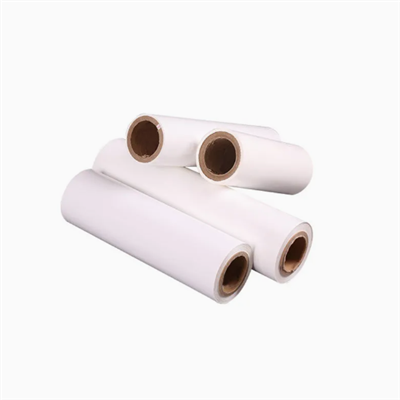
Now, if you’re reading this and you’ve dealt with kraft kraft paper that’s been a headache—whether you’re a small business owner shipping products, a café wrapping pastries, a maker needing material for crafts, whatever—hit me up. I don’t do pushy sales stuff, I just ask what you’re using the paper for, what size, how much you need, and I’ll point you to the right roll that won’t tear on you. No overpriced junk, no hidden fees, just kraft kraft paper that actually works for what you need.
Food Packaging Paper/ Food Packing Paper References
- Tappi Test Method T414, Tear Strength of Paper, Pulp and Paper Technical Association of North America, 2021.
- Hinrichs, P., “Kraft Paper Fiber Properties and Performance in Packaging Applications”, Journal of Industrial Paper Science, Vol. 18, No. 2, 2019.
- US Forest Service, “Natural Fiber Strength in Paper Products”, Forest Products Laboratory Report, 2020.
- Food and Drug Administration, “Food-Grade Paper Specifications for Packaging”, 2022.
Senzo New Material Group Co., Ltd.
As one of the most professional brown kraft paper manufacturers and suppliers in China, we also support customized service. Please rest assured to buy high quality brown kraft paper made in China here from our factory. For price consultation, contact us.
Address: Dongying Bonded Area, Shandong, P. R. China
E-mail: info@aonuochina.cn
WebSite: https://www.senzopaper.com/
