If you’ve ever wandered through a hardware store next to a section of PVC pipe fittings, you’ve probably wondered—like I have, more than once—whether those plastic elbows, couplings, and adapters are actually safe to carry the water you drink. As someone who’s been in the PVC pipe fittings supply business for over a decade, I’ve fielded this question at trade shows, from residential plumbers, and even from new homeowners researching their first plumbing projects. It’s a fair question, and it’s one I take seriously because my job isn’t just to sell parts—it’s to make sure those parts don’t compromise the water people rely on every day. PVC Pipe Fittings
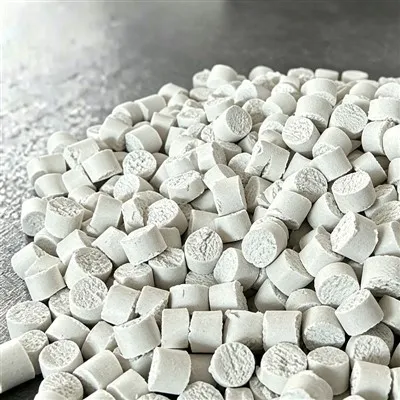
Let’s start with the basics: what are PVC pipe fittings, anyway? PVC stands for polyvinyl chloride, a versatile polymer that’s been around since the 1920s, and pipe fittings made from it are manufactured by mixing PVC resin with stabilizers, plasticizers (though not all types need them), and other additives to give the material strength, flexibility, and resistance to corrosion. For decades, PVC has been used in everything from sewer lines to irrigation systems, but drinking water applications have always had extra layers of scrutiny—and for good reason. Water safety isn’t something to cut corners on.
A few years back, I had a customer, a small plumbing contractor from a rural town in Ohio, call me panicked: he’d heard that PVC fittings leach chemicals into drinking water, and he’d just installed a whole-house water line using our product, worried he’d have to tear everything out. His concern wasn’t unfounded—misinformation about PVC and water safety has been circulating for years, amplified by social media posts that mix up different types of PVC and outdated studies with modern, regulated testing. Let’s clear that up right away. Not all PVC is the same, and not all PVC is approved for drinking water.
There’s a specific grade of PVC called NSF/ANSI Standard 61 PVC, named for the National Sanitation Foundation and the American National Standards Institute, which is the gold standard for materials that come into contact with drinking water. This standard lays out rigorous testing for every additive used in PVC pipe fittings to ensure that no harmful substances leach into water at levels that exceed EPA (U.S. Environmental Protection Agency) limits. For example, lead has been a historical concern with plumbing materials, and NSF/ANSI 61 sets a maximum lead content of 0.25% for pipe fittings, a number that’s even stricter than the federal lead ban for plumbing products in the U.S.
A common misconception I hear is that plasticizers called phthalates are a problem in drinking water PVC. But phthalates are mostly used in flexible PVC products, like vinyl shower curtains or garden hoses, not the rigid PVC used for plumbing fittings. Rigid PVC, the type we supply for drinking water applications, uses stabilizers like calcium and zinc instead of phthalates, and those stabilizers are also tested under NSF/ANSI 61 to ensure they don’t pose a health risk. Studies from independent organizations, like the World Health Organization (WHO), have also reviewed data on PVC for drinking water and concluded that when products meet international standards, they are safe for their intended use.
That’s not to say that all PVC pipe fittings are safe, though. Unregulated, low-quality fittings—sometimes sold as “general purpose” PVC for cheap—may use untested additives or miss manufacturing standards. Early in my career, I saw a batch of imported fittings that didn’t carry the NSF mark; a third-party lab test later showed they had leached levels of a certain stabilizer that were just barely over EPA limits. That’s when our company doubled down on our own testing protocols: every batch of fittings we supply is tested in our in-house lab before it leaves our warehouse, and we provide full test certificates to every customer who asks. That’s a step many smaller suppliers skip, but it’s non-negotiable for us because our customers trust us with their water systems.
Another point of confusion is about what happens when PVC fittings are exposed to hot water. Some people worry that high temperatures will cause more leaching, so they assume PVC is only safe for cold water. That’s not entirely true. NSF/ANSI 61 PVC is tested not just for cold water, but for hot water up to 180 degrees Fahrenheit (about 82 degrees Celsius), which covers most residential hot water needs. It’s important to note, though, that PVC is not suitable for water hotter than that, or for applications like water heaters that regularly reach 212 degrees Fahrenheit (boiling water). For those, we recommend cross-linked polyethylene (PEX) fittings, a different plastic that’s designed for higher temperatures. We don’t push PVC where it doesn’t belong—transparency is key in this business.
I’ve also noticed that many people compare PVC to other materials, like copper or PEX, and wonder which is “safer.” The truth is, all plumbing materials that meet relevant standards are safe when installed correctly. Copper has its own concerns, like the risk of pinhole leaks over time, which can lead to water contamination from other sources. PEX can leach small amounts of volatile organic compounds (VOCs) when first installed, though studies show those levels drop significantly after the first few flushes. PVC, when it meets NSF/ANSI 61, has a long track record of safety, in part because it’s inert, meaning it doesn’t react with most chemicals in water or the environment, which reduces the risk of leaching over decades of use.
Of course, safety also depends on installation. Even the best PVC pipe fittings won’t keep water safe if they’re installed incorrectly. I always advise customers to hire a licensed plumber who knows local plumbing codes, which often specify which types of fittings are approved for drinking water. For example, in some areas, you can’t use solvent cement that’s not rated for NSF/ANSI 61, because the cement can leach into water too. That’s another service we provide: we don’t just sell fittings, we share guides on approved cements and proper installation techniques to make sure our products are used correctly.
A few years ago, I worked with a school district in Texas that was replacing old galvanized steel water lines, which were leaching lead. They considered copper, but cost was a concern, so they switched to our NSF-approved PVC fittings. They did a test three months after installation, and the results showed lead levels were undetectable, way below EPA limits. That’s the kind of outcome that makes this job worth it. But it also drives home how important it is to only use fittings that meet the right standards, and to educate customers on what those standards mean.
There’s still a lot of misinformation out there, and I get it—when it comes to something you drink, you want to be 100% sure. That’s why we make all our test reports available to anyone who asks, whether they’re a big construction company or a homeowner doing a small plumbing project. We’ve also partnered with local environmental groups to host workshops on safe plumbing materials, because we believe the more people understand how these products are tested and regulated, the less fear there is around PVC for drinking water.
Wait, let’s address one more recent concern: microplastics. Some studies have found small microplastic particles in drinking water, and a few have linked that to plastic pipes, including PVC. It’s important to put that in context. Microplastics are found in many water sources, not just from pipes—they come from laundry, cosmetics, tire wear, and even atmospheric pollution. A 2022 study published in the Journal of Water and Health looked at PVC pipe fittings in drinking water systems and found that the number of microplastics released was far lower than the amount from other common sources, and not at levels that are considered a public health risk. Additionally, well-managed plumbing systems with correctly installed fittings have minimal microplastic release, much of which can be reduced by flushing new lines before use.
So, to circle back to the original question: Are PVC pipe fittings safe for drinking water? The short answer is yes, when they are NSF/ANSI 61 certified, manufactured to strict standards, and installed correctly. They’re not just safe—they’re also durable, cost-effective, and resistant to corrosion, which means they last longer than many other materials and require less maintenance, so there’s less risk of leaks that could contaminate water.

If you’re a plumber, a contractor, or a homeowner looking for reliable, safe PVC pipe fittings for your drinking water project, I encourage you to reach out to us. We’ve been serving the plumbing and construction industry for over a decade, and we prioritize quality and safety in every product we supply. Whether you need a small batch of fittings for a residential repair or a large order for a commercial project, we can provide certified products, test documentation, and guidance to make sure your plumbing system is as safe as possible.
PPR Pipe References
- National Sanitation Foundation. (2023). NSF/ANSI Standard 61: Drinking Water System Components – Health Effects.
- World Health Organization. (2021). PVC in Drinking Water Systems: Review of Health Effects and Risk Assessment.
- U.S. Environmental Protection Agency. (2022). Drinking Water Contaminant Levels: Lead and Copper Rule Revisions.
- Journal of Water and Health. (2022). Microplastic Release from PVC Pipe Fittings in Residential Plumbing Systems.
- American National Standards Institute. (2020). PVC Pipe and Fittings for Drinking Water Applications: Code Requirements.
Hebei Ruijie Pipe Industry Co., Ltd.
Address: Industrial Park, Shaozhuang Township, Suning County, Cangzhou City, Hebei Province
E-mail: 1987870474@qq.com
WebSite: https://www.rjpprpipe.com/
