If you’ve ever stepped foot on a construction site, driven past a commercial building under expansion, or even helped a friend put up a garden shed, chances are you’ve interacted with sigma purlins—those rugged, C-shaped structural steel beams that turn thin steel coils into reliable support for roofs, walls, and floors. As a supplier of sigma purlin roll forming machines, I talk to builders, fabricators, and small business owners every week who are stuck between two core machine types: pre-cut and post-cut sigma purlin machines. The confusion is real, and choosing the wrong one can add weeks to a project, throw off budgets, or even compromise the structural integrity of their finished purlins. Today, I’m breaking down exactly what sets these two machines apart, so you can decide which is right for your operation. Sigma Purlin Roll Forming Machine
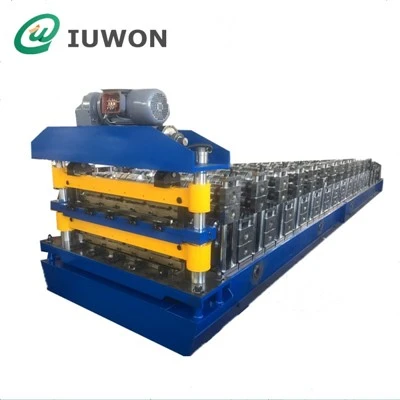
Let’s start with the basics to level set. A sigma purlin roll forming machine takes a flat, continuous steel coil—usually galvanized steel, since it resists rust—feeds it through a series of rotating rollers that gradually bend it into that distinctive sigma shape (think of a C-channel with a reinforced lip on each side, designed to hold heavy loads without bending). Once formed, the machine cuts the purlin to your required length, stacks it, and prepares it for delivery. The only real difference between pre-cut and post-cut machines is when that cutting step happens: before the roll forming process begins, or after it’s done.
That tiny timing gap is where every other distinction lives. Let’s dive into pre-cut sigma purlin machines first, because that’s often the first machine new fabricators invest in, especially if they’re just starting out. Pre-cut machines, as the name suggests, cut individual lengths of steel coil to your exact specified dimensions before the coil enters the roll forming line. So if you need 10-foot-long sigma purlins, you load a 10-foot blank coil into the machine’s decoiler, feed it through the rollers to be bent into shape, and you’re done—no extra cutting at the end. It sounds straightforward, right? And for many small to mid-sized fabricators, it works. But let’s get into the details that matter most, not just the marketing buzzwords.
First, the pros of pre-cut machines. They’re significantly less expensive upfront, for one thing. Because the cutting mechanism is a simple, standalone saw (usually a high-speed cold saw that doesn’t generate excess heat, which is good because heat can warp steel and ruin the purlin’s structural properties), pre-cut machines have fewer moving parts than post-cut models. That means lower maintenance costs over time—no complex shear systems that need constant calibration, fewer wear components to replace, and simpler training for your operators. I’ve seen small fabricators with just 2-3 employees running a pre-cut machine 12 hours a day, six days a week, and they go months without a single breakdown that requires a service call. That reliability is huge for small businesses working on tight margins.
Another key pro is consistency for shorter runs. If you regularly order purlins of the same 10-foot or 15-foot length for residential construction or small retail builds, pre-cut machines deliver perfectly uniform pieces every time. Since you’re cutting the coil to length first, there’s no risk of uneven cuts mid-roll, and you don’t have leftover scrap from trimming a longer piece to size. Wait, hold on—wait, actually, no, that’s where a big catch comes in. For pre-cut machines, scrap only happens if you mess up a cut, right? Because you load exactly what you need. But here’s the flip side: pre-cut machines can’t handle variable lengths. If a job comes in that needs purlins of 8 feet, 12 feet, and 16 feet, you’d have to stop the decoiler, reload three different cut coils, and reset the machine each time. That adds downtime, and if you have multiple small orders, that downtime adds up fast.
Also, pre-cut machines have a strict limit on the thickness of steel they can handle. Most quality pre-cut sigma purlin machines top out at around 3/16 of an inch thick. If you need heavy-duty purlins for a large warehouse roof or a multi-story parking garage, you’ll need thicker steel—usually 1/4 of an inch or more—and pre-cut machines struggle with that. The cold saw can’t cut through thick steel evenly, and the rollers can’t bend thick pre-cut blanks without warping the edges of the sigma shape, which makes the purlin weak and prone to bending under load. I’ve had a customer bring me a batch of pre-cut purlins from a cheap import machine that bowed 2 inches along their 20-foot length because they tried to run 1/4-inch steel through a pre-cut model designed for 3/16. They had to scrap $12,000 worth of material and delay their entire project—don’t let that happen to you.
Now, let’s talk about post-cut sigma purlin machines, the workhorses for high-volume, custom fabricators. Post-cut machines keep the steel as a continuous, uncut coil the entire time it goes through the roll forming line. The rollers bend the flat steel into the sigma shape perfectly, and after it’s fully formed, the machine’s integrated shear cuts it to your desired length on the fly. You don’t have to pre-cut any blanks—you can feed a single long coil, run it for hours, and cut purlins of 8, 10, 12, and 16 feet in whatever order you need, without stopping the line. That flexibility is why most mid to large construction fabricators swear by post-cut machines.
Let’s get into the pros that make post-cut worth the investment, if you’re scaling. First, unmatched flexibility for variable-length jobs. If you’re bidding on a mixed project that needs purlins of multiple sizes—say, a 10,000-square-foot shopping center with roof sections that need different span lengths—post-cut machines let you switch lengths in seconds, no decoiler reloads, no downtime. I work with a fabricator in Texas who does mostly commercial and industrial projects, and he tells me he cuts 20 different purlin lengths a week with his post-cut machine, something a pre-cut machine would take him three times as long to do. That speed translates to getting jobs done faster, bidding more competitively, and taking on more work.
Next, post-cut machines handle much thicker steel. High-quality post-cut models can run steel up to 3/8 of an inch thick, which is perfect for heavy-load applications like warehouse roofs, bridge supports, or multi-story building frames. The shear system on a post-cut machine is precision-calibrated to cut through thick steel evenly, right at the end of the roll forming line, so the fully formed sigma shape stays intact. No warping, no bowed edges, no weak points. And because you’re running a continuous coil, you have almost zero scrap from setup runs or leftover blanks. If you feed a 10,000-foot coil, you can run it until it’s gone, cut every last foot into your required lengths, and only have a tiny sliver left at the end—scrap rates as low as 0.5% for post-cut machines, compared to 2-3% for pre-cut when dealing with multiple lengths. That adds up to thousands of dollars saved in steel costs every year for high-volume operators.
Of course, post-cut machines aren’t for everyone, and their downsides are hard to ignore. They’re a massive upfront investment. A mid-tier post-cut sigma purlin machine costs 3-5 times more than a comparable pre-cut model. That’s a big hit to your capital, especially if you’re just starting out or only do a handful of projects a year. They also have higher maintenance costs. The integrated shear system, roll forming rollers, and length calibration sensors all need regular professional maintenance, and if something goes wrong with the shear, it can shut down your entire line for days. I had a customer whose post-cut machine’s shear blade wore out unexpectedly during a 24-hour run for a new hospital wing; they had to fly a service technician cross-country, and the downtime cost them $50,000 in late fees. That’s a risk you don’t take with a simpler pre-cut machine, which can usually be fixed on-site with basic tools.
Another downside is that post-cut machines are more complex to operate. You need trained operators who understand roll forming tolerances, length calibration, and how to adjust the shear without ruining finished purlins. If you’re a small business with one or two operators, the training time for a post-cut machine is weeks, compared to a few days for a pre-cut model. That’s extra labor cost you have to factor in, especially if turnover is high.
So, how do you decide which one is right for your operation? Let’s break it down with a quick decision framework, based on what I’ve seen working for hundreds of my customers. If you’re a small fabricator (1-5 employees) that works on mostly residential projects, garden sheds, or small commercial builds with consistent purlin lengths, a pre-cut machine is almost always the best call. You’ll save tens of thousands of dollars upfront, avoid the complexity of post-cut maintenance, and the speed of consistent runs will keep you profitable. The only time I’d advise a small fabricator to skip pre-cut is if you regularly take on custom jobs with variable lengths or heavy-load purlins thicker than 3/16 of an inch.
If you’re a mid to large fabricator (5+ employees) that works on commercial or industrial projects, takes on mixed-length jobs, or plans to scale your business in the next 2-3 years, a post-cut machine is the smarter long-term investment. The flexibility, higher load capacity, and lower scrap will offset the higher upfront cost within 1-2 years, and the ability to take on larger, more complex projects will help you grow your revenue far faster than a pre-cut machine would allow.
Wait, but there’s a middle ground, right? I’ve worked with a few fabricators who start with a pre-cut machine and upgrade to a post-cut model once their business hits a certain volume. That’s totally normal—most of the big construction companies I work with didn’t start with a post-cut machine; they grew into it. The key is to not buy the cheapest machine first just to save money, and not overbuy a post-cut machine when you only do one big job a year.
One last thing to remember: not all machines are created equal, whether they’re pre-cut or post-cut. I’ve seen cheap import pre-cut machines that warp steel, and overpriced post-cut machines that have poor calibration and produce uneven purlins. When you’re shopping, look for machines with precision rollers made from high-grade steel, digital length control systems, and warranty coverage for at least 2 years. Ask for references from other fabricators in your line of work, and test run a sample of steel through the machine before you buy it—don’t just take the sales rep’s word for it.
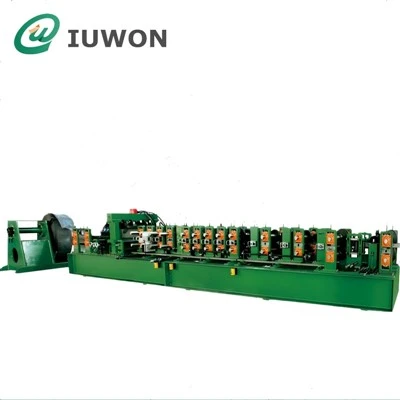
At the end of the day, the difference between pre-cut and post-cut sigma purlin machines comes down to timing, flexibility, and scale. Pre-cut is simple, cheap, and reliable for small, consistent jobs. Post-cut is flexible, fast, and built for high-volume, custom work. As a supplier, my job isn’t to sell you the most expensive machine or the cheapest one—it’s to help you pick the one that fits your current needs and your long-term goals. Whether you’re just starting out or ready to scale, I’d be happy to walk you through your options, answer any questions about machine capabilities, and help you find the right solution for your operation.
Purlin Roll Forming Machine References
Roll Forming Machinery Association. (2021). Best Practices for Sigma Purlin Manufacturing. RMFA Technical Bulletin No. 12.
American Iron and Steel Institute. (2020). Design Guidelines for Cold-Formed Steel Purlins. AISI Publication CP-10-20.
Steel Fabricators & Manufacturers Association International. (2022). Cost-Benefit Analysis of Pre-Cut vs. Post-Cut Roll Forming Lines. FMA Research Report R-07.
Hanghzou IUWON Technology Co., Ltd.
Hangzhou IUWON Technology Co., Ltd. is one of the most professional sigma purlin roll forming machine manufacturers and suppliers in China. Please feel free to buy custom made sigma purlin roll forming machine made in China here from our factory. For price consultation, contact us.
Address: No.755, Xintangtou Village, Xinjie Street, Xiaoshan District, Hangzhou, Zhejiang
E-mail: sales@iuwon.com
WebSite: https://www.iuwonforming.com/
