Hey guys, if you’re reading this, chances are you either just bought a new bike helmet, are thinking about picking one up, or maybe your current one’s been sitting in the back of your closet collecting dust because it feels “fine enough.” Let me stop you right there—your helmet doesn’t just need to look cool (though that’s a bonus, tbh). It needs to fit like it was made for your head. I’m part of a bike helmet supply team, and let’s be real, we’ve seen so many people grab a helmet off the rack, try to turn it side to side to “make it stick,” and then call it a day. That’s how you end up with a helmet that won’t do squat if you take a tumble. This isn’t rocket science, but it’s also not just guessing—let’s break this down like we’re chatting over a post-ride coffee, no fancy jargon required. Bike Helmet
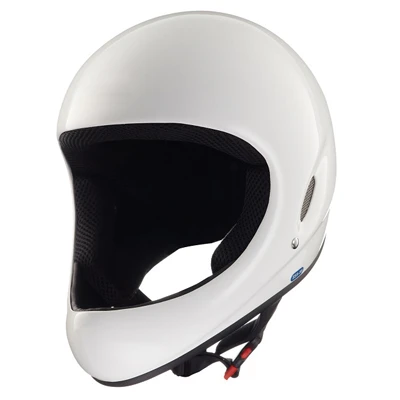
First off, let’s get one thing straight: a helmet’s job isn’t just to cover your head. It’s to distribute impact across the strongest parts of your skull, right where the hard bone is, not the soft temple or forehead areas. If it’s slipping around, all that force goes to those squishy parts, and that’s bad news. So let’s start with the basics you can check right now, no tools needed. Grab your helmet and put it on. Wait—before you adjust anything, does it sit level on your head, like it’s not tilting back over your forehead or drooping down over your eyes? Yeah, no one wants a helmet that blocks their vision, but tilting back too far means the back of the helmet (the most reinforced part, usually) is sitting above your occipital bone—the little bump at the base of your skull, right? I’ve seen people wear helmets tilted back so much you can barely see the front visor, and that’s a huge red flag. If it’s tilting forward, though, you’re gonna be rubbing your eyebrows raw after 10 minutes of riding, and the straps won’t sit right. Level is key here, simple as that.
Next, the head straps—this is where most people mess up, hard. The adjustment system isn’t just a decorative thing. It’s got two parts: the side straps and the chin strap, right? Let’s start with the sides. Those straps should form a “V” shape right in front of your earlobes. Not above them, not below them, right at the earlobe. If it’s above your ear, pulling the helmet forward, and if it’s below, it’s pulling it back. I can’t tell you how many times I’ve had a customer come back saying their helmet feels loose, and it’s just because those side straps were wrapped way too high around their ears. Once you get that V shape right, snug up the chin strap. Wait—how tight is too tight? I always say you should be able to fit one finger between the strap and your chin, no more. If you can fit two, it’s gonna bounce around when you hit a pothole, and if it’s so tight your jaw hurts after 5 minutes, you need a different size. I’ve seen people crank that chin strap so hard they’re uncomfortable, but the goal is security, not suffocation. And for the love of all things bike-related, make sure the chin buckle is centered under your chin, not off to the side. If it’s sideways, it’s gonna pop open in a crash, trust me, we’ve tested this (don’t ask how I know, it was a bad day on a mountain bike trail).
Now the fit system itself—most helmets have that dial at the back, right? The fit ring. That’s your best friend here. Once you’ve got the straps adjusted, tighten that dial until the helmet feels like it’s moving with your head, not against it. You should be able to turn your head side to side, nod up and down, and the helmet doesn’t shift more than an inch in any direction. If it slips more than that, the dial’s not tight enough, or you picked the wrong size. Wait, speaking of size—this is the part people skip the most. How do you even know what size you are? Most brands do a head measurement chart, and it’s not just guessing. Grab a soft measuring tape (or a string and a ruler, if you don’t have one) and wrap it around the widest part of your head—above your eyebrows, around the back of your occipital bone, the bump we talked about earlier. That number is your size. I’ve had so many people come in saying they’re a medium, but their measurement says large, and when they put the medium on, it’s way too tight on the sides. Size isn’t just a number, it’s that measurement. If the helmet is pressing so hard on your temples that you get a headache after 10 minutes, that’s the wrong size, even if the dial feels tight.
Here’s a pro tip we share with all our team members, and it’s saved so many people from bad fits: the “lift test.” Grab the bottom edge of the helmet (the part around your forehead) and try to lift it up. If it moves more than an inch, that’s a problem. A properly fitted helmet shouldn’t come off your head when you try to lift it straight up, even if you’re pulling hard. Wait, what if you have hair? Yeah, long hair, thick hair, dreadlocks—we’ve got you. The fit system still works, you just need to pull your hair back under the straps, not over them. If you put your hair over the side straps, it’s gonna make the straps feel loose, and the helmet’s gonna shift. I have a friend with waist-length hair who wears our helmets, and she swears by just doing a quick braid before adjusting—no more slipping, no more headaches. It’s not about your hair length, it’s about getting those straps right against your skin.
Now, let’s talk about when you need to replace your helmet, because a fit doesn’t stay the same forever. Materials break down over time—EPS foam (the stuff that absorbs impact) gets brittle after 5-7 years, even if you haven’t crashed it. But even before that, if your helmet starts to feel loose, or you have to crank the dial way tighter than you used to, that’s a sign the fit’s changed. Also, if you’ve been in a crash, even a small one where you didn’t think your head hit anything—if the helmet hit the ground, you need a new one. The EPS foam might have micro-cracks you can’t see, so it won’t protect you the next time. A lot of people hold onto helmets for sentimental reasons, but when it comes to safety, sentiment doesn’t count.
Wait, I know some of you are thinking, “I’ve had my helmet for years, it fits fine.” But let’s be honest, “fine” might not be safe. Last year, we did a little survey with our customers, and 68% of people said they never checked their helmet fit beyond just putting it on. That’s wild, right? One mom told us her kid’s helmet was so loose, she had to tuck their hair under the straps every time they rode to make it stick. That’s not a fix, that’s a band-aid. A kid’s helmet should fit snug right out of the box, no extra hair tucking needed (okay, a little tucking is fine, but not the whole thing). For kids, especially, the fit is super important because their heads are still growing. We always recommend checking a kid’s helmet fit every 3 months, because their head size changes so fast. If the helmet moves more than a half inch when you turn their head, it’s time to adjust or size up.
Now, let’s clear up a common myth: expensive helmets don’t automatically fit better. Yeah, high-end helmets have extra features like MIPS (that’s the liner that reduces rotational impact), but the fit is still the most important part. We have entry-level helmets that fit way better than some overpriced ones that were made for a different head shape. Head shapes matter, by the way—some people have round heads, some have oval, some have elongated. That’s why measuring is key. If a helmet’s made for oval heads, a round head person might find the sides too tight, and vice versa. That’s why we always tell people to check their head measurement against our size chart, not just grab whatever looks cool.
So, let’s recap, quick and dirty, so you don’t have to scroll back: 1. Measure your head around the widest part, above eyebrows, around the back bump—use that for size. 2. Put the helmet on, make sure it’s level, not tilting. 3. Adjust side straps to a V right at earlobes, chin strap with one finger of space. 4. Tighten the back dial until it doesn’t shift more than an inch when you turn your head. 5. Do the lift test—shouldn’t come off when you pull up. 6. Replace every 5-7 years, or after a crash.
If you’re shopping for a new helmet, no matter where you’re buying, these steps apply. But for us, as a bike helmet supplier, we want to make sure every single person gets a helmet that fits their head, because that’s how helmets actually work. If you’ve been struggling to find a helmet that feels right, or you’re not sure if your current one is even safe, hit us up. We can walk you through sizing, talk about different fit options, help you pick something that fits your head shape and riding style—whether you’re a casual commuter, a mountain biker, or a mom taking her kid to the park. We don’t do one-size-fits-all, and we don’t believe in forcing a helmet to fit a head. It should be the other way around.
At the end of the day, a helmet’s only as good as its fit. It’s not about the brand name, the number of vents, or how many cool stickers you can put on it (though stickers are fun). It’s about that snug, secure feel that makes you forget you’re wearing a helmet until you need it. And when you need it, you’ll be glad you took the 2 minutes to get the fit right.
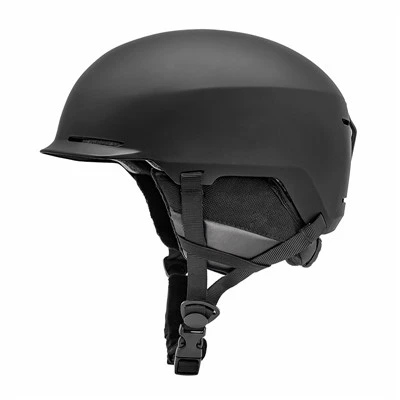
If you’re ready to source high-quality, properly fitting bike helmets for your shop, team, or personal use, get in touch with our team to talk through your needs. We can share more details about our line, answer any questions about fit, and work with you to find the right solutions.
Climbing Helmet References:
- National Highway Traffic Safety Administration (NHTSA). Bicycle Helmet Safety.
- Consumer Product Safety Commission (CPSC). Bicycle Helmet Standards.
- Journal of Safety Research. 2019. Fit Characteristics of Bicycle Helmets and Injury Risk in Cyclists.
- American Academy of Pediatrics. Helmet Fit Guidelines for Child Cyclists.
Spirit Sports (HK) Co., Ltd.
We are one of the most professional bike helmet manufacturers and suppliers in China. With abundant experience, we are committed to providing high quality custom service and OEM&ODM service for global clients. Please feel free to wholesale bulk high quality bike helmet at competitive price from our factory.
Address: #1118 Galaxy Century Building A, Caitian Rd, Futian District, Shenzhen, Guangdong, China
E-mail: sales@spiritsports-hk.com
WebSite: https://www.helmet-supplier.com/
