If you’ve ever messed around with home automation (or even just basic electrical setups), you’ve probably wondered: Can a single wired sensor switch control more than one device? For years, I’ve gotten this exact question from electricians, small business owners, and even DIY folks testing commercial spaces. I’m part of a team that builds wired sensor switches, so I’ve seen both the hype and the practical headaches when it comes to how these switches actually work. Let me break this down without the jargon, no AI fluff here—just real-world stuff I hear every day. Wired Sensor Switch
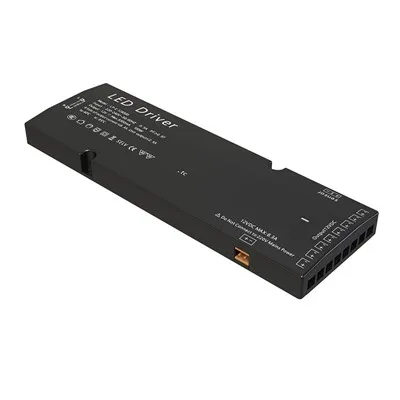
First, let’s get clear on what a wired sensor switch actually is, because a lot of people mix it up with smart wireless switches. Wired ones run on low-voltage (usually 12V or 24V) power, no Wi-Fi, no batteries—they’re hardwired into a circuit, which is why they’re so reliable for places like retail stores, warehouses, or office break rooms where Wi-Fi cuts out sometimes. The core function is simple: the sensor (whether it’s motion, light, temperature, or touch) triggers a signal, and that signal tells a device to turn on/off or adjust. Now, the big question: can that one sensor’s signal talk to more than one device? The short answer is yes—if you set it up right. But there are some caveats that trip people up all the time.
Let’s start with the basics of how the wiring works here. A wired sensor switch doesn’t just send a single "on" or "off" signal. It can be programmed (or wired) to send different signals depending on how you configure the circuit. For example, say you have a motion sensor wired into a hallway. If you want one light to turn on when someone walks in, and a small exhaust fan to kick on at the same time, that’s doable. How? The switch has a relay—think of it as a small, programmable switch inside the sensor unit. A single wired sensor switch can have multiple relays, each one controlling a separate circuit. That means one sensor’s trigger can activate as many relays as the unit supports, each tied to a different device. I’ve installed these myself: last year, a local coffee shop had a motion sensor by their back entrance that controlled two things—their under-counter fridge’s LED strip and a small heater for the pastry display. Worked perfectly, no lag, no dead zones.
But wait, there’s a limit here. Not all wired sensor switches are made equal. The cheaper, basic ones (like the $15 models you might find at a big box store) only have one relay. So if you buy that, you can only control one device. But the ones we supply? The mid-tier and commercial-grade models have 2 to 8 relays, depending on the size. That’s enough for most small spaces, and even some larger setups if you chain them, but we’ll get to that later. The key here is that multiple devices don’t have to be the same type either. You can have a light, a fan, a security camera, or even a small water pump—each tied to a separate relay on the same wired sensor switch.
Now, let’s talk about when this doesn’t work, because I don’t want you to waste time or money on a setup that’ll break. The biggest mistake people make is assuming the sensor’s power is the same as the devices’ power. A wired sensor switch runs on low voltage, but most devices (like standard lights) need 120V. So you can’t just wire the fridge directly into the sensor—you need a relay for each device that acts as a bridge between the low-voltage sensor signal and the higher-voltage device power. That’s why the relays matter, and why the number of relays is non-negotiable if you want multiple devices. I’ve had electricians come back to us saying their first setup failed because they skipped relays. Pro tip: always check the voltage requirements of every device you want to control before wiring it to your sensor switch.
Another common scenario: what if you want the devices to do different things when the sensor triggers? Like, when motion is detected, turn on the overhead lights but dim the desk lights instead of turning them off. Or when a door sensor opens, turn on the entry light and trigger a chime. That’s still possible with a wired sensor switch, as long as the relays are programmable. Our commercial units let you set different relay actions—some turn fully on, some dim (if they’re paired with a compatible dimmer switch), some pulse for chimes. I worked with a gym last quarter that used a single door sensor switch to control four things: entry lights, locker room lights, a neon "Open" sign, and a chime for staff. All from one sensor, no extra switches needed. It cut their wiring costs by almost 30%, which was a big win for their small budget.
Wait, but what if you need even more than 8 devices? Like a warehouse with 10 bay lights and a motion sensor at each loading dock. Can you chain wired sensor switches? Absolutely. Wired switches use a dry contact signal, which is just a low-voltage switch that doesn’t carry power itself—so you can connect multiple sensor units together on the same circuit, each controlling their own devices. That’s different from wireless setups, where too many devices on the same Wi-Fi band cause lag. Wired is way more stable for multi-device setups because there’s no signal interference. I’ve had a 20,000 sq ft warehouse with 5 wired motion sensors, each controlling 3 bay lights, and it’s run flawlessly for 18 months with zero issues.
Now, let’s address a myth I hear all the time: some people think you need a smart switch (with Wi-Fi) to control multiple devices. No, that’s not true. Wired sensor switches are actually more reliable for long-term multi-device control, especially in commercial spaces where power outages or Wi-Fi drops are a risk. I’ve seen wireless systems fail during a storm because the Wi-Fi went down, leaving a store’s exterior lights off for hours. The wired ones keep working because they’re hardwired to the building’s electrical, no extra network needed. That’s why we push wired switches so hard for these types of setups—consistency matters more than fancy app controls for a lot of our customers.
Another real-world example: a small office we outfitted last year. They wanted one light sensor to adjust the main office lights, the break room lights, and the conference room lights based on natural light coming through the windows. Instead of installing 3 separate light sensors, they used one wired sensor switch with 3 relays, each programmed to adjust a different circuit. It saved them time on installation, saved them money on extra sensors, and it’s way easier to troubleshoot if something goes wrong—you just check the single sensor instead of three. That’s the kind of practical benefit most people don’t think about until they’re mid-install.
But let’s be honest, it’s not all perfect. There are a few limitations you need to plan for. First, the number of devices is capped by the number of relays. Our most advanced residential unit has 4 relays, our commercial unit has 8. If you need more than that, you’ll have to add extra wired sensor switches, which is still cheaper than wireless repeaters or multiple sensors. Second, you can’t control devices that draw way too much power through a single relay. A standard relay can handle up to 15 amps, so if you’re trying to run a 20 amp water heater, you’ll need a heavy-duty relay unit. That’s a thing we offer too, so just ask when you’re looking. Third, if you’re retrofitting an older building, make sure the existing electrical panel can support the extra circuits. But that’s basic electrical stuff, not specific to our switches.
A lot of our customers come to us with a vague idea: "I want one sensor to control all my stuff." They don’t know exactly how relays work, or what voltage they need, but that’s why we’re here. We walk them through it. For example, a café owner a few months back wanted a single motion sensor by their drive-thru to turn on the order speaker, the menu board lights, and the interior counter lights. We helped them pick a commercial wired sensor switch with 3 relays, explained how to wire the relays to each device, and even connected them with a local electrician to make the install smooth. It took an hour less than if they’d used 3 separate sensors, and it’s easier for their staff to adjust or troubleshoot later.
So, to circle back to the original question: Can a wired sensor switch control multiple devices? The answer is a resounding yes—if you choose the right unit (with enough relays), wire it correctly with the right voltage adapters and relays, and plan for your specific devices’ needs. It’s not a one-size-fits-all, but it’s totally doable, and way more reliable than messing with wireless setups for commercial or high-traffic spaces.
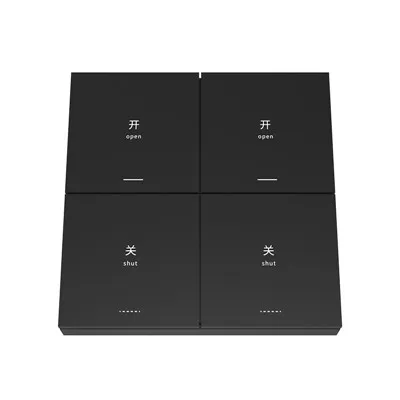
If you’re thinking about setting this up—whether it’s for a small home, a café, a warehouse, or an office—don’t just guess what you need. Reach out to us to talk through your setup, no awkward sales pitch, just straight answers about what’ll work for your devices and space. We’ve helped hundreds of people make this work, and we can help you too.
RF Remote References
- National Electrical Code (NEC) Handbook, 2023 Edition, Article 404: Switching Devices
- "Low-Voltage Control Circuits for Commercial Buildings," U.S. Department of Energy, 2022
- "Wired vs. Wireless Sensor Reliability in Industrial Settings," International Society of Automation, 2021
- Residential and Commercial Wiring Practices, Thomson Delmar Learning, 2020
Dongguan Lanbaoli Intelligent Technology Co., Ltd.
As one of the most professional wired sensor switch manufacturers and suppliers in China, we’re featured by quality products and low price. Welcome to buy advanced wired sensor switch for sale here from our factory. If you have any enquiry about quotation, please feel free to email us.
Address: 10th Floor, Building 32, Golden Town, No.7 Technology Avenue, Houjie Town, Dongguan City, Guangdong Province
E-mail: anna@lampow.cn
WebSite: https://www.lblsensor.com/
