Hey, if you’ve ever walked a metal fabrication shop, you’ve probably seen a profile machine humming away, cutting, shaping, or bending steel, aluminum, or even plastic parts like it’s no big deal. But let’s be real—most folks (even a lot of first-time buyers) just see the whole machine, not the parts that make it work. I run a profile machine supply company, and let me tell you, when a customer calls me panicking because their machine broke, half the time they don’t know which part to order first. That’s why I’m breaking down exactly what makes a profile machine tick, no jargon, just real stuff you need to know if you’re in the market or just curious. Profile Machine
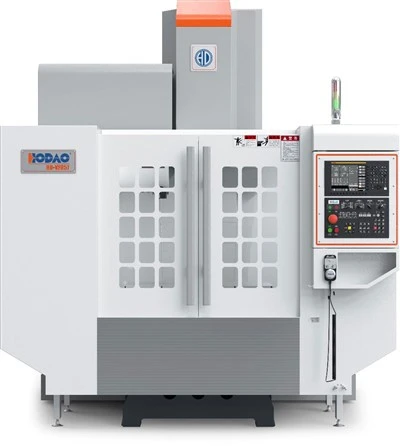
First off, let’s keep it simple: a profile machine’s whole job is to turn raw stock (like a long bar of metal) into a specific cross-sectional shape—think the steel trim for a window, the rails for a conveyor, or even the frame parts for a food processing line. You can’t do that with a regular saw or drill; you need the right parts working in sync. Let’s start with the backbone, because every machine needs one.
The Machine Frame & Base
This is the heavy-duty metal foundation—usually cast iron or welded steel that weighs a ton. I’m talking thousands of pounds, no lie. Why so heavy? Because when those cutting or forming tools spin or press down, you don’t want the machine shaking, sliding, or walking across the shop floor mid-job. I’ve seen cheap frames before—thin aluminum or flimsy steel—and they’re a nightmare. They flex, throw off your cuts, and break faster. A good frame also has precision-machined slots and mounts for every other part, so everything lines up perfectly. No slop here—even a tenth of a millimeter off the frame and your finished parts will be useless. That’s why when we build our machines, we skip the thin stuff; we use 1.5-inch steel plates for the base. Your whole machine’s performance starts with this, end of story.
The Stock Feed System
If the frame is the backbone, the stock feed system is the machine’s “arms” that move your raw material through the whole process. This is what grabs that 10-foot steel bar, pulls it through the cutters or rollers, and stops at exactly the right length for your part. There are two main types here: manual and automatic. Manual feed is for small jobs or hobbyists—you crank a wheel, feed the material by hand, and hope you get the length right. But most industrial buyers go with automatic feed, and that’s where the good stuff is.
Automatic feed usually uses either roller drives or gripper clamps. Roller drives are like a set of rubber or metal wheels that squeeze the stock and pull it forward. They’re great for flat stock or thin bars—they apply even pressure so you don’t bend the material. Gripper clamps are more heavy-duty; they grab the stock at specific points, yank it through, and release when it’s time to cut. We add sensors here too—like limit switches that tell the feed system when to stop, or load cells that adjust pressure so you don’t crush soft aluminum. A lot of first-time buyers overlook the feed system, but if this part’s janky, your parts will be too short, too long, or uneven. I had a customer last month whose feed gripper was worn out, so it slipped every time he pulled steel; his window trim parts were all wobbly, and he lost a $5k order because he didn’t replace that $200 clamp. Ouch.
The Cutting & Forming Heads
This is the part that does the actual shaping. Depending on what kind of profile machine you have, this is either cutting head (for shearing, sawing, or milling) or forming rolls (for bending metal into shape). Let’s break both down.
Cutting heads: Most profile machines use either a circular saw blade or a milling cutter. Circular saws are the workhorse—they spin super fast (we run ours at 3000 RPM for steel) and slice through the stock in one pass. The blades are carbide-tipped, by the way—cheap steel blades will dull in 10 minutes. Milling cutters are for more complex shapes, like if you need a groove or a notch cut into the profile. We also have shear heads, which are like two sharp blades that meet and cut the stock clean—great for thick bars, no jagged edges.
Forming heads are for roll-forming machines, which are super common in construction. These are a series of matched rollers—usually 6 to 10 sets, each one bending the metal a little more. It’s not like a press brake, which bends it all at once; roll-forming shapes it gradually as the stock moves through. That way, you don’t warp or crack thin metal. The rollers are custom-made for your specific profile, too—if you need a profile with a 2-inch curved edge, we machine those rollers to exactly that curve. If the rollers are misaligned, your profile will have a kink or wonky edge, so precision here is non-negotiable.
The Control Panel
Let’s be real—old profile machines were manual, all levers and dials. Now? It’s a digital control panel, usually a touchscreen, that lets you input your part specs, adjust feed speed, set cut lengths, and save recipes for repeat jobs. This is where you control the whole machine. Most of our machines use PLC (programmable logic controller) systems—they’re reliable, easy to program, and you can save 100 different part settings so you don’t have to re-calibrate every time you switch jobs. No more writing numbers on a sticky note that falls off. We add safety features here, too—like emergency stop buttons that cut power instantly, and sensors that shut the machine off if someone reaches their hand in. A good control panel should be intuitive, not a mystery. If you can’t figure out how to change a cut length in 2 minutes, it’s not worth your time.
The Cooling & Lubrication System
This is the unsung hero. When you’re cutting metal at 3000 RPM, the blade gets hot—hot enough to warp, break, or dull in minutes without cooling. The lubrication system keeps the tools moving smoothly, too, so you don’t get friction that ruins your cuts. Most profile machines have a closed-loop system that pumps cutting fluid (a mix of water and oil, usually) over the blade or rollers. It catches the metal shavings too, so you don’t get them clogging up the works. If this part breaks, your machine is done for a few hours. I’ve had customers skip replacing a worn pump because they thought it was “no big deal,” and within an hour, their saw blade was so hot it bent, costing them another $1000 in parts and downtime. Always check your cooling system first if something goes wrong—9 times out of 10, that’s the issue.
The Safety Systems
Okay, this isn’t just one part—it’s a bunch of stuff, but it’s way too important to skip. We’re talking emergency stops, interlocks that shut the machine off if the guard is open, light curtains that stop the feed if something’s in the way, and even fire suppression for the coolant. I can’t stress this enough: safety isn’t an afterthought. A lot of cheap machines cut corners here, which is a disaster for your workers. When we build our profile machines, we add a two-hand start, so you can’t have one hand feeding stock and one hand hitting start—you need both hands away, which stops a lot of accidents.
Wait, I should mention a few optional parts that make life way easier. Like a chip conveyor—this is a little belt that moves all the metal shavings out of the machine, so you don’t have to sweep them out every hour. For companies that run 24/7, that’s a game-changer. Or a material loader, which is a hydraulic arm that puts the raw stock into the feed system automatically, no workers lifting heavy bars. That cuts down on labor and injuries.
Now, why does this matter to you? If you’re a fab shop owner, a construction contractor, or anyone who needs profile parts, knowing these parts helps you make smarter choices. You don’t have to be a mechanic, but knowing that a flimsy frame = bad cuts, or that a manual feed is fine for small jobs but automatic is worth it for big runs, will save you money and downtime.
I’ve been supplying profile machines for 8 years, and the biggest mistake I see customers make is buying the cheapest machine they can find, only to replace parts every 6 months. A good profile machine isn’t just the total price—it’s the quality of the core parts. The frame, feed system, and tools are where you shouldn’t skimp.
If you’re in the market for a new profile machine, or your current one needs repairs or parts, don’t guess at what you need. Reach out, tell me about your projects, how many parts you run a week, what material you’re working with, and I can help you pick the right machine or source the parts you need. No sales pitch, no fluff—just real advice for guys who actually use these machines every day.
Wait, let’s wrap this up quick. To recap, the main parts are: the heavy frame (your foundation), the stock feed system (moves the material), cutting/forming heads (shapes the part), the control panel (your brain), cooling/lubrication (keeps everything running), and safety systems (keeps everyone safe). Optional stuff like chip conveyors and loaders make it way easier for big jobs.
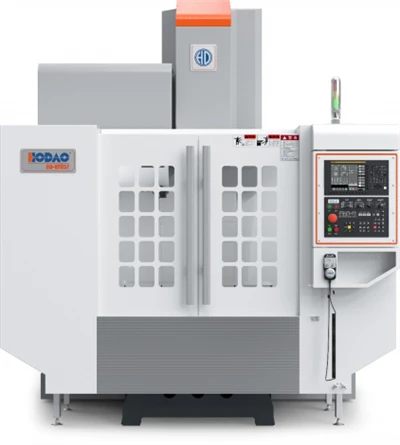
Don’t let the jargon scare you. A profile machine is just a bunch of parts working together, and once you know each part’s job, you’ll spot a good machine from a dud. If you’re ready to chat about what you need, hit me up. No weird hidden fees, no pressure—just answers.
CNC Machining Center References
- Manufacturing Automation: Profile Machine Design and Operation, Industrial Press, 2021
- Roll-Forming Technology for Metalworking, Society of Manufacturing Engineers, 2019
- Safety Standards for Machine Tools, Occupational Safety and Health Administration (OSHA), 2022
- Precision Metal Fabrication Equipment Guide, Gardner Business Media, 2020
- Maintenance Best Practices for Industrial Machinery, Plant Engineering Magazine, 2021
Taizhou Qiyang Trading Co., Ltd.
As one of the most professional profile machine manufacturers and suppliers in China, we’re featured by quality products and good price. Please rest assured to buy bulk profile machine for sale here and get quotation from our factory. Customized orders are welcome.
Address: Zhenhai Village, Binhai Town, Wenling City, Taizhou City, Zhejiang Province
E-mail: qycncmachine@outlook.com
WebSite: https://www.qycncmachine.com/
