If you’ve ever stared at a standard off-the-shelf wardrobe, only to think “this shape doesn’t fit my space at all,” you’re not alone. Every day, I hear that question from homeowners, interior designers, and even contractors: Can I customize the shape of a wardrobe door? As a wardrobe door supplier with over 12 years in the game, I get it—standard rectangular doors work for cookie-cutter homes, but most of us live in spaces with weird nooks, sloped ceilings, alcoves, or just a desire to make a wardrobe that feels like it was made for us. The short answer is: Yes, you absolutely can. And it’s not some fancy, unattainable luxury either. Let’s break down how this works, why it’s worth it, and what you need to know before taking the plunge. Wardrobe Door
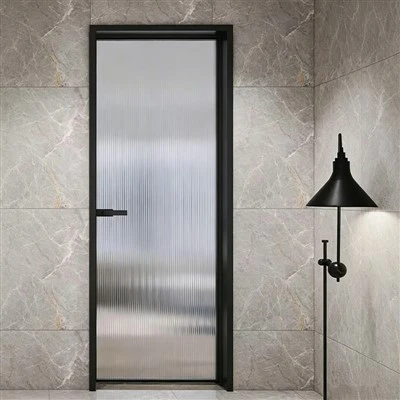
First, let’s clear up a common misconception. A lot of people think wardrobe door customization means only picking between white or oak, or maybe a different finish—changing the shape sounds like it would require redoing the whole wardrobe frame, or cost a small fortune. That’s not the case, at least not with the way we work as a supplier. The core of a wardrobe door’s shape depends on two main things: cutting technology and material flexibility.
Modern woodworking tools, specifically CNC (Computer Numerical Control) routers, have made custom shaping way more accessible than it was even 10 years ago. CNC routers can cut almost any rigid, suitable material with precision—no rough edges, no uneven cuts, no guesswork. For us, that means if a designer sends over a shape that’s not a rectangle—say, a curved top to fit under a sloped attic ceiling, a stepped edge to line up with a window sill, or even a custom geometric shape to add a modern flair—we can cut that door exactly to spec. We don’t have to rely on manual cutting, which is slower and prone to errors. A decade ago, we might have turned down a request for a non-rectangular door because it would take too much time and too many skilled hands, but now, our CNC machines can cut a custom shape in minutes, which keeps costs manageable.
But not all materials work for custom shapes, right? That’s another thing to consider. Most wardrobe doors are made from MDF (Medium-Density Fiberboard), solid wood, or composite wood, and each has different strengths for shaping. MDF is a fan favorite for custom doors because it’s dense, stable, and holds sharp, clean edges way better than solid wood. It doesn’t warp easily, which is critical for a door that has to open and close smoothly. If you want a curved top on your door, MDF can be bent (if we use thin enough panels, or a lamination process that bends multiple thin MDF layers) without cracking or looking distorted. Solid wood can be shaped too, but it’s more prone to warping if it’s cut into thin, curved pieces, so it’s better for more gradual curves, not sharp angles. Composite wood is a middle ground—more stable than solid wood, a bit less flexible than MDF, but still works for most custom shapes that aren’t extremely complex.
Let me give you a real example of a project we did last year to make this concrete. A couple in Portland had a master bedroom with a sloped ceiling in one corner, so the standard rectangular wardrobe they were looking at would have left a big, ugly gap under the ceiling where it couldn’t fit. They came to us with a drawing: two wardrobe doors, each with a curved top that matched the slope of their ceiling, plus a cutout at the bottom to fit around a baseboard heater that ran along the floor. Most suppliers told them it would be a custom, one-off job that cost 3x the price of a standard door. We worked with them to adjust the design a bit (we shortened the curve to make it easier to cut without warping) and gave them a price that was only 20% higher than standard doors. The end result? No gap under the ceiling, the doors fit perfectly around the heater, and they didn’t have to compromise on storage or style. That’s the kind of thing customization does—turns a awkward space into something that works for you, not against you.
But wait, there are limits to custom shapes, right? You can’t just ask for a door that’s shaped like a dinosaur, no matter how cool that would look. We always set a few guidelines to make sure a custom shape is functional, cost-effective, and durable. First, the thickness of the door matters. A custom door that’s curved or has sharp angles can’t be too thin—usually we recommend 18mm or 25mm thickness, because thinner doors tend to flex over time, especially when you open and close them. Second, the complexity of the shape. Sharp, 90-degree angles can be cut, but very tight curves (like a radius smaller than 15cm) might require a different cutting method, and could add a little to the cost, because the CNC router has to move more slowly to make that curve cleanly. Third, functionality. If you’re making a door for a built-in wardrobe, you have to account for how it will open—if it’s a swing door, the shape can’t hit the wall or adjacent furniture when you open it. If it’s a sliding door, the shape has to fit the track you’re using, and can’t be so uneven that it gets stuck on the track. We always work with our customers to adjust the shape to keep it practical, not just pretty.
Another big point: custom shapes aren’t just for small, awkward spaces. A lot of homeowners and designers use custom shaped doors to add a unique design element to a room. For example, we’ve done doors with half-moon tops for a bohemian-style bedroom, stepped edges for a modern, minimalist look, even doors with cutouts for glass panels that follow a curved shape. These aren’t just functional—they’re a design feature that makes a wardrobe a focal point of the room, not just an afterthought. A few months ago, a boutique hotel in Seattle ordered 12 wardrobe doors for their guest rooms, all with slightly curved tops that matched the hotel’s mid-century modern design. The hotel wanted to avoid the generic look of standard wardrobes, and the custom doors did exactly that—guests mentioned them in reviews, and the hotel got compliments from interior design magazines. That’s the power of customization: it turns a basic piece of furniture into something that reflects your style.
Now, let’s talk about the process of getting a custom shaped wardrobe door, because a lot of people get overwhelmed when they hear “custom.” It’s actually pretty straightforward, if you work with a reputable supplier. First, you need a plan. You don’t have to be an architect, but having a basic idea of the shape—whether it’s a drawing, a photo of your space, or even a sketch on a napkin—helps. We have a design team that can work with you to adjust that sketch, make sure it’s functional, and create a digital template that our CNC machine can use. Second, you pick the material. As I mentioned earlier, MDF is best for most custom shapes, but we also work with solid wood, composite, and even melamine-covered materials if you want a smooth, scratch-resistant finish. Third, you choose the finish—paint, stain, veneer, whatever works for your space. The shape is separate from the finish, so you can customize both. Finally, we cut the door, assemble any hardware (if you want us to), and ship it to you, with installation instructions or a recommendation for an installer if you need one. The whole process usually takes 2-3 weeks, which is only a little longer than standard doors, and way faster than building a whole new wardrobe from scratch.
I should also mention that custom shaped wardrobe doors work with all the hardware you’re already familiar with. Swing hinges, sliding tracks, pocket door frames—they don’t care if your door is rectangular or curved. We just cut the hole for the hardware exactly where it needs to be, based on your measurements. So you don’t have to replace your hardware or your frame to make it work. That’s a big plus—you’re not redoing the whole wardrobe, just the doors, which saves time and money.
But let’s be real, there are a few things to watch out for if you’re considering a custom shape. First, make sure your supplier has experience with custom cuts. A lot of suppliers say they “do custom work,” but they might only offer custom sizes, not custom shapes. Ask to see examples of their past custom shaped doors, or ask for a digital rendering before you commit. Second, get a written quote that includes all costs—there’s nothing worse than a surprise fee for the custom cut or the design work. We always give a transparent quote, no hidden charges, and we confirm all the details with the customer before we start cutting, so there are no mistakes. Third, measure twice, cut once. That’s a classic woodworking rule, and it’s even more important with custom doors. If you give us a wrong measurement, the door won’t fit, so take your time measuring your space, or hire a professional to measure it for you if you’re not sure.
I’ve been in this industry long enough to see trends come and go, but the desire for personalized spaces isn’t a trend—it’s here to stay. People don’t want their home to look like everyone else’s, and standard rectangular doors don’t help with that. When a customer comes to me with a weird space or a wild design idea, my job is to make that door a reality. Last year, a customer wanted a wardrobe door shaped like a wave for her beach house. It was a simple, gradual curve, and we made it work. She sent us a photo after installation, and it was the first thing people commented on when they walked in. That’s why I love this job—seeing a custom door turn a house into a home.
So, to circle back to the original question: Can you customize the shape of a wardrobe door? Yes, absolutely. It’s not as expensive or complicated as it sounds, thanks to modern technology and materials. It’s a great solution for awkward spaces, a way to add unique design to your home, and it doesn’t require rebuilding your entire wardrobe. If you’re tired of forcing a standard door into a space it doesn’t fit, or you just want a wardrobe that reflects your style, custom shaped doors are worth considering.
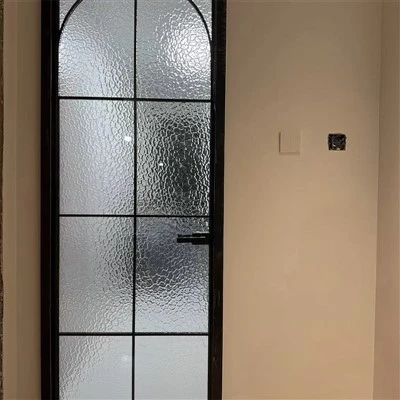
If you’re ready to talk about your project, whatever it is—whether you have a sloped ceiling, an awkward alcove, or a design idea you’ve been sketching—reach out to discuss your requirements. We can walk you through the process, show you examples of past work, and give you a fair, transparent quote tailored to your space. Don’t settle for a one-size-fits-all door when you can have a door made exactly for you.
Wardrobe Door References:
- American Wood Council. (2022). Custom Woodworking Technologies for Residential Spaces. Wood Industry Journal, 48(3), 22-27.
- National Kitchen and Bath Association. (2021). Custom Cabinetry and Wardrobe Design Best Practices. NKBA Design Report, 19(2), 11-15.
- CNC Machining Association. (2023). Precision Cutting of Custom Wood Products. Manufacturing Today, 31(4), 45-50.
- Forest Products Laboratory. (2020). Material Properties for Custom Shaped Wood and Composite Components. U.S. Department of Agriculture, Forest Service.
Tengzhou Jingsheng Home Furnishing Co., Ltd.
As one of the most experienced wardrobe door manufacturers and suppliers in China, we also support customized service. Please feel free to buy high quality wardrobe door in stock here from our factory. For quotation and free sample, contact us now.
Address: Zhanglou Village, Hongxu Town, Tengzhou City, Zaozhuang City, Shandong Province
E-mail: 15554379297@163.com
WebSite: https://www.jingshenghome.com/
