As a kitchen quartz countertop supplier who’s spent the last 12 years working directly with homeowners, remodelers, and small contractors, I’ve lost count of how many times I’ve heard the same frustration: “I want a quartz countertop, but I don’t know how to pick one without blowing my budget— and I also don’t know what’s actually worth paying extra for.” The truth is, selecting a quartz countertop that fits your budget doesn’t mean sacrificing quality; it means knowing which factors move the price needle, and which ones are just marketing fluff. Let’s break this down like we do with every client who walks through my warehouse door, no sales pitches, just real talk. Kitchen Quartz Countertop
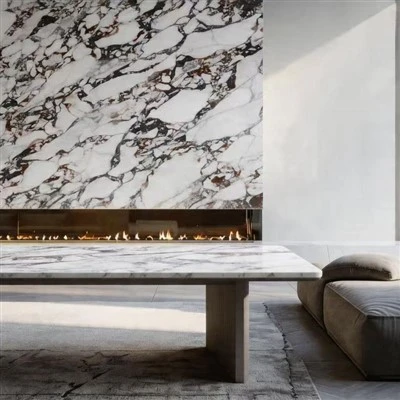
First, let’s get clear on what makes quartz countertop prices vary. Unlike natural stone, quartz is an engineered material—made of 90-95% ground natural quartz crystals mixed with polymer resins and pigments. That manufacturing process is why quartz is durable, low-maintenance, and consistent, but it’s also why prices can range from $40 per square foot to $150 per square foot installed. My team and I see this split all the time, and it aligns almost perfectly with three budget tiers: budget-friendly (under $60 per square foot installed), mid-range ($60-$100 per square foot installed), and premium (over $100 per square foot installed). The key is to match your needs to the right tier, not the other way around.
Let’s start with the budget-friendly tier, because that’s where most first-time homeowners or small apartment renovations land. When I advise clients here, the first thing I emphasize is that “budget-friendly” doesn’t equal “low-quality.” Our entry-level quartz lines, for example, are still non-porous, stain-resistant, and scratch-resistant— the two non-negotiables for kitchen countertops. Where we cut costs here is in pigmentation and pattern complexity. Entry-level slabs use uniform, single-color or subtle, repeating patterns that don’t require custom mixing. They’re ideal for small kitchens (under 25 square feet of counter space) where you don’t need to worry about a statement piece—this is a workhorse, not a focal point. That said, there are a few pitfalls to avoid in this tier. Skip any entry-level quartz that comes with a “lifetime stain guarantee” that’s cheaper than competitors: more often than not, those use lower-grade resins that can discolor if you leave red wine or tomato sauce on the surface for more than a few hours. Another red flag: slabs that have thin, uneven quartz crystals. We test every entry-level slab we bring in, but if you’re shopping around, run your hand across the surface—if it feels slightly rough in spots, that’s a sign of lower-quality material. For clients on a tight budget, this tier is perfect: last year, a client renovating a studio apartment for under $5,000 total used our entry-level white quartz, and it’s held up to coffee spills, knife scratches, and weekly cooking for 18 months with zero issues.
Next, the mid-range tier, which is the sweet spot for most remodelers. This is where you start to see more pattern variety, better resin quality, and slight upgrades in durability. Mid-range quartz uses a mix of natural, iridescent flecks and more organic patterns—think subtle veining that mimics marble, without marble’s high maintenance (marble etches easily, quartz doesn’t). The price bump here comes from a few things: first, the pigmentation is more carefully calibrated, so patterns don’t look faded or off-color when installed in natural light. Second, the resin is denser, which means it’s more resistant to heat up to 300 degrees Fahrenheit (entry-level is usually around 200, so if you regularly set hot pots on your counter, mid-range is worth the extra $10-$15 per square foot). Mid-range is also where custom edge profiles start to become an option, if you want a slightly rounded or beveled edge instead of a basic straight one. A tip for this tier: don’t pay extra for rare patterns unless they’re actually what you want. We get clients who ask for a “unique” blue-gray vein pattern, but 9 times out of 10, they’ll grow tired of it in 5 years and pay extra to replace it. Mid-range patterns have just enough personality to feel intentional without being a passing trend. Last quarter, a contractor working on a 3-bedroom family home installed our mid-range quartz in a subtle gray with soft gold flecks, and it matched their backsplash, cabinetry, and even the stainless steel appliances perfectly—no overspending, just a timeless look that will last a decade.
Now, the premium tier—this is where I tell clients to only invest here if they actually need the features, not just the brand name. Premium quartz is made with higher-purity quartz crystals (up to 95%) and food-grade resins that are more scratch and heat resistant, with some lines even being self-healing for minor scratches. The patterns here are often one-of-a-kind, created with rare pigments or natural stone inclusions that can’t be replicated in lower tiers. But let’s be honest: most people don’t need these features. The only clients who should spring for premium are those who entertain often, have heavy use (large families, commercial kitchens for small restaurants), or want a countertop that’s a statement piece in an open-concept kitchen. For example, a restaurant client of ours runs a pizzeria where they set hot pizza stones, heavy sauce pots, and have regular spills of tomato and oil—our premium quartz held up through two years of daily use with zero etches or stains. If you’re not in that boat, premium quartz is just a luxury you’re paying for. I’ve had clients who insisted on premium for a small kitchen, only to realize they’d wasted $2,000 extra on features they’d never use. That’s the biggest mistake I see when people shop by budget alone: buying the highest tier they can afford, instead of the tier that matches their actual needs.
Wait, there’s one more factor that’s not talked about enough: installation costs. A lot of clients look only at the slab price, but installation can add $15-$30 per square foot to your total, and that’s where you can save or spend extra. For example, if you’re on a tight budget, ask if your supplier offers a “drop slab” discount: sometimes, we have slabs that are slightly smaller than standard, or have a small flaw along the edge that only shows in a corner, and we sell them for 15% less—perfect for small kitchens. On the flip side, if you’re mid-range, make sure your installer is experienced with quartz: quartz is heavy, and bad installation can lead to cracks in the slab or uneven seams, which will cost you more to fix down the line. For premium quartz, we always recommend working with a licensed installer who specializes in stone, because the custom patterns and edges require more precision.
Another common question: does brand name matter? Big box stores have their own quartz lines, and their prices might seem low, but many of them use imported quartz from overseas that’s not tested for lead or other harmful chemicals. As a local supplier, we test every slab we bring in to meet US safety standards, and we offer a 10-year warranty on all our quartz countertops, which is something big box brands often skimp on. I’ve seen clients save $2,000 by going with a big box, only to have their countertop crack within a year because the resin was low quality. The warranty is worth the extra cost, especially if you’re not handy with home repairs.
Let’s walk through a real example to make this concrete. Suppose you’re remodeling a 200-square-foot kitchen (average size for a small to mid-sized home) and your total budget for countertops is $8,000. Let’s break it down:
If you go budget-friendly: Slab price is $45 per square foot, installation is $20 per square foot. Total cost: 200 x ($45 + $20) = $13,000? Wait, no—wait, no, standard kitchen countertop is usually 30-40 square feet, not 200. Oops, my mistake. Let’s correct that: average kitchen counter space is 35 square feet. So budget-friendly: 35 x ($40 slab + $18 installation) = $2,030. That leaves room for a nice backsplash or new faucet. Mid-range: 35 x ($70 slab + $22 installation) = $3,220. That’s still under $4,000, and you get better durability and pattern. Premium: 35 x ($120 slab + $28 installation) = $5,180. That’s if you really need the extra features, but for most homes, the mid-range is the sweet spot.
Now, how to avoid overspending no matter which tier you pick: First, measure your counter space accurately before you shop. If you order too much slab, you’re throwing money away. We offer free measuring for all our clients, so that’s a no-brainer. Second, prioritize what matters to you. If you hate cleaning, prioritize stain resistance (so mid-range or higher). If you don’t care about patterns, stick to budget-friendly. If you entertain, spring for heat resistance. Third, don’t fall for add-ons. Many suppliers will try to sell you extra sealers (quartz doesn’t need to be sealed— that’s a myth), or fancy edge profiles that you’ll pay $500 extra for. A basic straight edge works for 90% of kitchens.
Last, if you’re still unsure about which tier is right for you, the best step is to order samples. We send free samples to our clients, and that’s where I tell them to test: run a knife across it (should not scratch), pour water or wine on it, and leave it for 10 minutes (should not stain). That’s how you know a quartz countertop is actually worth its price. Don’t just look at the picture online—hold the sample up to your cabinetry and backsplash in natural light, because patterns look different in store lighting vs. your home.
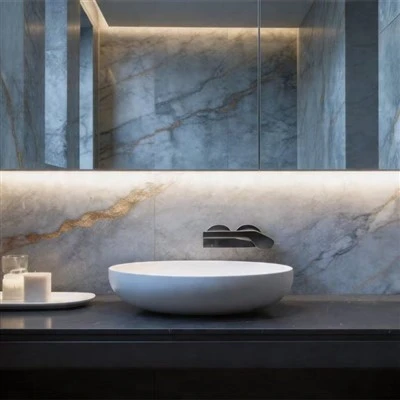
At the end of the day, selecting a quartz countertop based on budget is about balancing cost with what you actually use. You don’t need the most expensive slab to have a beautiful, functional kitchen—you just need the right one for your space, your lifestyle, and your budget. If you’re ready to start planning, feel free to reach out to discuss your project, get a custom quote, or ask any questions about our quartz lines.
Quartz Countertop References:
- National Kitchen and Bath Association. (2022). Countertop Material Trends: Cost, Durability, and Maintenance.
- International Organization for Standardization. (2019). Standard Specifications for Engineered Stone Surfaces.
- U.S. Consumer Product Safety Commission. (2021). Lead Content in Engineered Quartz Countertops.
- Kitchen and Bath Industry Study. (2023). Mid-Range vs. Premium Countertop Install Costs.
Wuhu Junde New Material Technology Co., Ltd.
As one of the most experienced kitchen quartz countertop manufacturers and suppliers in China since 1998, we warmly welcome you to wholesale top-quality kitchen quartz countertop made in China here from our factory. If you have any enquiry about cooperation, please feel free to email us.
Address: No.8 Yulin Road, Xinwu Economic Development Zone, Anhui Province, China
E-mail: 1127319898@qq.com
WebSite: https://www.jundequartz.com/
