When I started my small business selling climbing plant supports three years ago, I had no idea how many homeowners with tiny urban gardens were struggling to make their spaces feel lush and functional. I’d spent years researching horticulture—tinkering in my own 8×10 backyard in Portland, Oregon, testing every trellis, obelisk, and arch I could get my hands on—so when a neighbor complained her clematis kept flopping over her patio furniture, I designed my first prototype. Today, my work supplies over 200 small garden owners across the Pacific Northwest, and one question pops up in every single customer call: “What’s the best support for my tiny space?” It’s a fair one—small gardens (under 500 square feet, usually balconies, patios, or compact backyards) don’t have room for bulky, over-engineered structures that block sunlight or crowd out other plants. The best climbing plant supports aren’t just functional; they save space, boost plant health, and turn bare walls or fence lines into vertical greenery that actually enhances, not overwhelms, a small area. Let’s break down the top options, backed by horticultural science and real-world feedback from my customers, so you can pick the right one for your compact garden. Climbing Plant Supports

First, the most versatile and space-friendly option I sell is the modular wall-mounted trellis. Most small gardeners I work with have a blank fence or exterior wall they’re not using—mounting a trellis directly to that surface takes zero floor space, which is gold in a tiny plot. What makes modular ones different from flimsy, one-size-fits-all plastic trellises is their design: thin, rust-resistant steel posts snap into pre-drilled wall brackets, and the grid openings (usually 4×4 inches) work for every type of climber, from delicate sweet peas to heavy-flowering clematis and even robust climbing roses. Horticulturists at the Royal Horticultural Society (RHS) confirm that grid-style supports encourage even stem growth, which means less tangling and less chance of fungal disease—something critical in small spaces where air circulation can be limited if plants are crammed too close. I learned this lesson the hard way: a customer in Seattle told me her old solid-panel trellis caused her climbing hydrangea to develop powdery mildew because there was no airflow behind it. Modular trellises, with their open design, fix that. The other big win for small gardens is that you can expand them as you need—if you plant more climbers next year, just add an extra section. They also come in slim profiles: my standard modular trellis is only 2 inches thick, so it doesn’t stick out into your patio or block a walkway. A customer in a 120-square-foot balcony turned her west-facing wall into a display of pink climbing geraniums and purple wisteria with one of these, and told me it added 15 square feet of growing space without feeling cluttered. That’s the magic of this support: it’s invisible until the plants grow, which keeps your small space feeling open, not crowded.
Next, for those with a bit more ground space, but still limited square footage, the freestanding obelisk is a game-changer. Obelisks are tapered, pyramid-shaped structures that take up only a 2×2 foot footprint, which is perfect for tucking into a corner next to a patio door, at the end of a narrow garden bed, or even on a small balcony. The key here is choosing one with a dense, vertical grid (again, 4×4 inch openings work best) rather than widely spaced rungs. Horticulturists at the University of California’s Master Gardener program point out that tapered obelisks guide climbers upward, which is exactly what you want in a small garden—no sprawling vines taking over adjacent areas. I see a lot of customers who pick cheap, flimsy wooden obelisks, but those rot in two years, especially in damp climates like the Pacific Northwest. My best-selling obelisks are made from powder-coated steel, which is rust-resistant and can hold up to 50 pounds of vine and flowers—enough for a climbing rose or two large clematis. The biggest mistake people make with obelisks is picking ones that are too short: for a small garden, opt for 6-foot or 7-foot models (not the 10-foot ones meant for large country gardens) because they don’t look overwhelming next to a 3-foot balcony railing or a 4-foot patio table. I had a customer in a 300-square-foot back garden who planted a coral honeysuckle and a black-eyed Susan vine around a 6-foot obelisk; it sat right in the middle of her space without blocking access to her outdoor seating, and the vines grew up to wrap around the top, creating a little green focal point. That’s the sweet spot—small structure, big impact.
For gardeners who want to soften hard edges or add a vertical element without drilling into walls or fences, the tensioned wire framework is my third top pick. Wait, I know what you’re thinking: “Wire? That’s just messy.” But when installed correctly, it’s incredibly sleek and space-saving. Tensioned wire supports use two vertical metal posts (staked into the ground or mounted to a deck railing) with high-tensile wire strung between them, usually spaced 6 inches apart vertically. Horticulturists at the American Horticultural Society (AHS) note that wire supports are ideal for small spaces because they’re completely customizable—you can run them along a narrow strip between your patio and a walkway, or even attach them to the inside of a balcony railing. The downside? They work best for thinner-stemmed climbers like sweet peas, climbing petunias, or passionflower vines—heavy plants like climbing roses will need extra support with small clips, but that’s easy to fix. I had a customer in a Chicago studio apartment with a 10×15 foot balcony who installed a tensioned wire framework along her outer railing; she planted moonflowers and morning glories, which grew up the wire and created a private green screen from the apartment building next door. The best part? When the vines die back in winter, the wire is barely noticeable, so her balcony still feels open instead of cluttered with a permanent structure. That’s perfect for renters, too—you don’t have to drill into walls if you use deck-mounted posts or tension that doesn’t require permanent anchors.
Wait, there’s one more support that’s often overlooked for small gardens: the portable climbing plant tripod. I know, tripods sound like something for camping, but they’re designed specifically for climbers. These three-legged structures have a central pole with a grid of hooks or rings, and they fold flat for storage when not in use. That’s a huge win for small gardeners who might not have space to store large trellises or obelisks over winter. The tripod takes up a 1.5×1.5 foot footprint, so it fits in even the narrowest of spaces. Horticulturists at the RHS say tripods are great for small flowering climbers like hyacinth beans or trailing nasturtiums, and they’re perfect for adding height to container-grown plants, which is a must for balcony or patio gardens where most plants are in pots. I sold a set of three tripods last spring to a customer in a 400-square-foot backyard who had all her climbers in large terracotta pots; she used one for a climbing clematis, one for a sweet pea vine, and one for a passionflower, arranging them around her patio table to create height without crowding her seating area. The best part is that when the vines stop blooming, she can fold the tripods and tuck them under her garden bench—no bulky storage required.
Now, let’s talk about what to avoid when picking a support for a small garden. The biggest mistake I see customers make is choosing a support that’s too large or bulky. For example, a 10-foot wooden arch might look nice, but it takes up 4 square feet of space—space you could be using for other plants or seating. Another mistake is using materials that aren’t durable: cheap plastic trellises crack within a year, and untreated wood rots, so you’re wasting money on something you have to replace constantly. I always recommend choosing materials that match your space: powder-coated steel for a modern look, weather-resistant cedar for a more rustic vibe, both of which hold up for 10+ years. Also, avoid supports with wide grid openings for small-stemmed climbers—if the openings are too big, the vines can’t wrap around them properly, so they’ll flop over. Stick to 4×4 inch or smaller grids for most climbers.
I also can’t stress enough how support choice impacts plant health in small gardens. A well-chosen support gives climbers the structure they need to grow vertically, which means they don’t spread horizontally and take over other plants. That’s critical in a small space where every inch counts. For example, if you plant a climbing rose without a trellis, it will sprawl across your patio, blocking sunlight from your potted herbs, but with a modular trellis, it grows upward, leaving the rest of your space open. Airflow is another factor: open-grid supports prevent the dampness that leads to fungal diseases like powdery mildew, which is more common in small, enclosed garden spaces. I had a customer in Portland who had recurring mildew on her climbing hydrangea until she switched from a solid wooden fence to one of my modular trellises; within a year, the mildew was gone, and her plant produced twice as many blooms. That’s not just a small win—that’s a big difference for someone with a small garden who wants their plants to thrive without constant treatment.
So, which of these is the best for your small garden? It depends on your space, your plants, and your needs. If you have a blank wall or fence and want a permanent, space-saving solution, go for a modular wall-mounted trellis. If you have a small corner or narrow bed, a tapered obelisk is perfect. If you’re a renter or want a flexible, low-profile screen, tensioned wire is ideal. If you need something portable for container plants, a folding tripod is your best bet. The key is to pick a support that works with your space, not against it—something that adds vertical height without making your garden feel cramped.
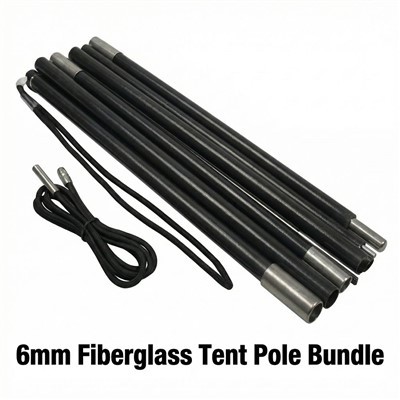
At the end of the day, my business is built on helping small gardeners turn their limited spaces into something beautiful. I didn’t start this to sell products; I started it because I know how frustrating it is to have a tiny garden and not know how to use it to its full potential. If you’re unsure which support is right for your small garden, or want to talk through your specific needs, I’m here to help. Reach out to my team to discuss your garden size, the climbers you’re planting, and any space constraints you’re working with—we can help you pick a support that works for you, no matter how small your plot is.
FRP Standard Profile References
Royal Horticultural Society. (2022). Plant Support Guidelines for Small Gardens. London: RHS Publishing.
University of California Master Gardener Program. (2021). Vertical Gardening for Compact Spaces. Oakland: UC Agriculture and Natural Resources.
American Horticultural Society. (2023). Choosing Climbing Plant Supports for Urban Gardens. Alexandria: AHS Press.
Yizheng Wanteng Composites Co., Ltd.
As one of the most professional climbing plant supports manufacturers and suppliers in China, we’re featured by quality products and good service. Please rest assured to wholesale bulk slip-resistant climbing plant supports for sale here from our factory. Contact us for pricelist.
Address: No. 20 Longyi Road, Qingshan Town Industrial Park, Yizheng City, Jiangsu Province, China
E-mail: mark@wantfrp.com
WebSite: https://www.wantfrp.com/
