If you’re here scrolling ‘cause you need to level up your skills when it comes to trailer series manual slack adjusters—whether you’re a fleet tech trying to nail proper adjustment, a new shop foreman getting up to speed, or even a supplier’s rep who needs to talk through product specs with customers—you’ve come to the right place. Let’s cut to the chase: I’m the owner of a small trailer parts shop that’s been selling manual slack adjusters for almost 12 years, and I’ve heard this question a hundred times. Folks always ask, “Where do I find training that’s actually useful, not just a 10-minute video that skips the stuff that breaks rigs?” So I’m gonna break down where I send my own guys, where I’ve seen the most value, and even a few tips I picked up from years of dealing with adjusters that were installed wrong ‘cause someone skipped a training module. Trailer Series Manual Slack Adjuster
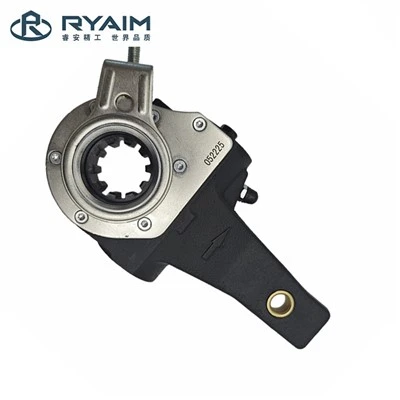
First, let’s get real about why this stuff matters. Manual slack adjusters aren’t like the automatic ones—they’re mechanical, they need regular checks, and if you mess up the adjustment, you’re looking at brake fade, tire blowouts, or worse: a rig that can’t stop fast enough. I’ve had so many customers come to me with a trailer that’s pulling unevenly, and it turns out the tech who adjusted the slack just turned the nut until it felt tight, then backed off a quarter turn—no clue that’s not the right move for series adjusters specifically. That’s the stuff training fixes.
One spot I swear by is the National Trailer Dealers Association (NTDA) workshops. Wait, no, don’t roll your eyes ‘cause it sounds like a big org—their regional hands-on sessions are low-key, not stuffy. Last year, I sent two of my lead techs to their Midwest workshop, and they came back with a checklist they still use. The best part? It’s not just lectures. You get to work on actual old and new trailer units, take apart a manual slack adjuster to see how the gears inside wear, and the instructors are guys who’ve been working in trailer brakes for 20+ years, not some suit who memorized a manual. They even talked about common shortcuts techs take—like using a wrench instead of a torque stick, which can strip the adjuster’s threads—and how to avoid ‘em. The only catch is you gotta sign up for their regional events fast; they only do like four a year, and spots fill up quick. I usually get on their email list the second the schedule drops ‘cause I don’t wanna miss it.
If you can’t make a in-person workshop, their online courses are way better than the basic YouTube videos. They break it down by trailer series, too—like the 10k-lb dry van adjusters vs. the heavy-duty ones for flatbeds carrying construction gear. A lot of online training is one-size-fits-all, but this one lets you pick the exact series you work with, so you’re not wasting time on stuff that doesn’t apply. I’ve watched a few modules with my new hires during their onboarding, and they get it way faster than just reading the product manuals I hand ‘em.
Another place that’s been a game-changer for us is the manufacturer-specific training, specifically for manual slack adjusters. Wait, hear me out—most suppliers (including us, by the way) offer free 1:1 or small group training for anyone who buys our adjusters. Not the generic “here’s how to open a box” stuff, either. We’ll send a tech out to your shop, or you can come to ours, and we’ll walk through installing the adjuster on your exact trailer models, adjusting it to the right clearance, and even troubleshooting common issues—like why a series adjuster might start sticking after 6 months of use. We’ve had guys come in who installed a dozen adjusters wrong, and after a 2-hour hands-on session, they’re knocking ‘em out in 15 minutes each, no mistakes. It’s free, too—no hidden fees, ‘cause we want our customers to do the job right, not end up back at the shop complaining about a bad brake job.
I also send a lot of young techs to local community college continuing ed classes. A lot of two-year schools have auto tech programs that add on a trailer-specific brake module, and most of ‘em bring in local guys (like me, sometimes!) to lead parts of the class. These are way more affordable than the big national workshops, and they’re closer—no traveling 8 hours for a session. Last semester, a 19-year-old kid who works for one of my regular customers took the class, and he texted me last week saying he passed his brake certification and now does all the slack adjuster checks for his shop. It’s perfect if you’re just starting out and don’t wanna drop a ton of money on training.
Now, let’s talk about what to skip. I’ve seen a lot of random YouTube videos that pop up when you search “manual slack adjuster training”—most of ‘em are made by guys who’ve never actually worked on a trailer, just read a blog post. One time I watched a video where the guy said you should adjust the slack until you can fit two fingers between the brake shoe and drum. That’s totally wrong for series adjusters! The correct clearance is way tighter, and if you do two fingers, you’re gonna get brake drag that eats through tires. Don’t waste your time on those. Same with the random “online courses” on Udemy that cost $5—they’re just repackaged manufacturer manuals with no real hands-on advice.
Here’s a pro tip from me: when you’re looking for training, ask the instructor or the program if they cover “series-specific” stuff. A lot of basic brake training doesn’t distinguish between standard and series manual slack adjusters, which is a huge mistake. Series adjusters have different gear ratios, so the adjustment process isn’t the same as the old-style automatic ones that you just turn a knob on. That’s the stuff that causes problems down the line.
If you’re running a fleet or a shop, don’t just train one guy—get your whole team through the same training. I learned this the hard way when one of my new techs adjusted an adjuster wrong ‘cause he didn’t know the right procedure, and we had a trailer break down on the highway. It cost us $2k in repairs, plus a day of downtime. Now, every time we get a new batch of adjusters, we schedule a training session for our whole crew. Even if you think you know how to do it, there’s always a trick—like how to use a dial indicator to check slack (way more accurate than just pulling on the brake) or how to spot a worn adjuster before it causes a brake failure.
At the end of the day, the best training is the stuff that’s relevant to your actual work. If you’re mostly working with reefer trailers, look for training that focuses on those. If you’re doing flatbeds, find a program that covers heavy-duty adjusters. And don’t sleep on the free training from suppliers—we all want our customers to succeed, ‘cause that means they’ll keep coming back for more parts.
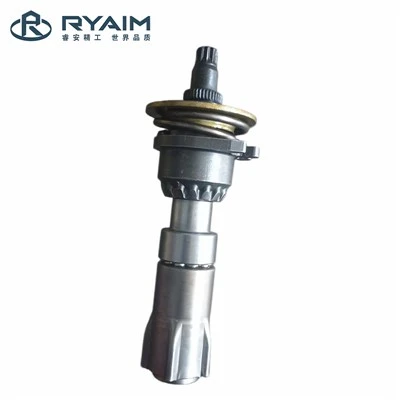
If you’re in the market for reliable trailer series manual slack adjusters and want to pair it with hands-on training that fits your shop, hit us up. We can walk you through our adjuster specs, schedule a training session for your crew, and answer any questions you have about proper installation and maintenance. Don’t wait ‘til you have a brake issue to get trained—stay ahead of the game, and you’ll save yourself time, money, and stress down the road.
Japan Truck Series Automatic Slack Adjuster References:
- National Trailer Dealers Association. (2023). Regional Hands-On Trailer Brake Training Schedule.
- Community College Automotive Technology Association. (2024). Continuing Education Curriculum for Commercial Trailer Maintenance.
- Heavy Duty Parts Association. (2022). Best Practices for Manual Slack Adjuster Adjustment and Troubleshooting.
Zhejiang Ryaim Auto Parts
As one of the most professional trailer series manual slack adjuster manufacturers and suppliers in China, we’re featured by quality products and good service. Please feel free to wholesale custom made trailer series manual slack adjuster from our factory. Contact us for more details.
Address: No. 78, Yexiao Road, Yaojiang Town, Zhuji City, Zhejiang Province
E-mail: bd@zjryaim.com
WebSite: https://www.ryaimchina.com/
