If you’re a cat parent (or a mixed cat litter supplier like me), you know that picking the right litter is half the battle—but knowing when to swap it out? That’s where a lot of folks get tripped up. I’ve been in this game for years, talking to cat owners every week, and I’ve noticed so many people clinging to old litter way past its expiration date. Don’t get me wrong, I get it: changing litter is messy, and who wants to waste money on something that’s “still working”? But using mixed cat litter too long isn’t just a smelly problem—it can mess with your cat’s health, your home, and even your budget in the long run. Mixed Cat Litter

First off, let’s keep it real: mixed cat litter (that’s the combo of clumping clay, plant-based stuff like pine or wheat, and sometimes silica gel we sell here) is designed to handle waste better than single-ingredient litters—but it’s not indestructible. Let’s break down the big signs it’s time to hit that “swap” button, and why they matter.
The first (and most obvious) red flag is that sharp, persistent ammonia smell that won’t quit. Wait, hold up—we’re not talking about a little “cat smell” you can mask with an air freshener. I mean that acrid, burning nose smell that hits you the second you open the litter box door, even right after you cleaned it yesterday. Here’s the science bit: cat urine has urea, which bacteria break down into ammonia over time. If your mixed litter is old, its absorbent properties are shot—so it can’t trap that urine anymore, and ammonia builds up. Long-term ammonia exposure isn’t just gross; it can irritate your cat’s respiratory tract, especially if they’re small, senior, or have asthma. I’ve had customers tell me they “just get used to the smell” for months, only to realize their kitty was peeing outside the box because the litter stung their nose. That’s a fixable issue, y’all—just swap the litter.
Next, clumps that don’t break clean. Mixed litter’s whole thing is that the clumping clay component binds tightly to urine so you can scoop it out easily, right? If you notice that your clumps are crumbly, mushy, or stick to the bottom of the litter pan even after you’ve scooped, that’s a dead giveaway the litter is past its prime. Why does this happen? Over time, the other ingredients (plant-based fillers, silica) absorb all the moisture they can hold, so they can’t support the clumping clay anymore. Instead of forming solid clumps that you can lift out in one go, the waste just sits there, soaking into the old litter and turning the whole box into a breeding ground for bacteria. I see this a lot with people who “top off” their litter instead of changing it fully—they add a little new litter every week, but the old stuff at the bottom just keeps getting wetter and gunkier. Don’t top forever; that crusty bottom layer is bad news.
Then there’s the mess factor that’s gotten out of hand. If you’re finding litter tracked all over your floors, couches, and even your bed, that’s not just your cat being dramatic (well, sometimes it is, but often it’s the litter’s fault). Old mixed litter breaks down into tiny, dusty particles that stick to your cat’s paws way more than fresh, intact pellets or clay. I’ve tested this myself: a new bag of our mixed litter is hard, uniform, and barely tracks. After two weeks, the bits get crumbly, and suddenly you’re sweeping litter every time your cat walks by the box. Worse, those dusty particles can get into your cat’s lungs or eyes, which is another health risk. If your once-clean cat is suddenly leaving litter prints everywhere, it’s not just a “cat being naughty” thing—probably time for new litter.
Wait, what about your cat’s behavior? That’s a big one a lot of people miss. Cats are super creatures of habit, and they’ll tell you when something’s off with their litter box. If your cat starts avoiding the box, hanging out near the box for too long, or even peeing outside it, that’s not automatically a “they’re mad at you” problem. It could be the litter’s too dirty, too dusty, or just not comfortable anymore. I had a regular customer last month whose cat started peeing on her laundry hamper—turns out she’d been using the same mixed litter for a solid month, never changing it, and the bottom of the box was so soaked and smelly her cat refused to go in it. Once she swapped to fresh litter, the behavior stopped within three days. Cats are sensitive to their environment, and if their litter box is unpleasant, they’ll find another spot. That’s way cheaper to fix than a vet bill for a urinary tract infection, too—speaking of, old, dirty litter can increase the risk of UTIs in cats because bacteria thrive in wet, stagnant litter.
Another less talked-about sign: the litter pan has residue that won’t wash off. When you scoop old litter, you’re left with this sticky, gross film on the sides or bottom of the pan, right? That’s a mix of dried urine, fecal matter, and leftover litter particles that bacteria have already feasted on. If you scrub the pan with soap and water, but that film is still there, that means the old litter has already transferred its gunk to the pan—and even if you add new litter, that residue will still attract bacteria and odors. It’s kind of like washing a dish with a crusty old pan that’s still got burnt food in it; no matter how much soap you use, the taste is still there. So if you’re scrubbing the pan but that sticky stuff won’t budge, it’s time to dump all the old litter, clean the pan thoroughly, and start fresh.
Now, let’s bust a common myth: some people think mixed litter is cheaper because you can “stretch” it longer, but that’s not true. If you use old litter and end up with a cat that has a UTI, a new respiratory issue, or is peeing all over your house, you’re looking at hundreds of dollars in vet bills, not to mention the hassle of cleaning up pee off mattresses or carpets. Fresh mixed litter actually saves you money in the long run because it’s more absorbent, smells better, and keeps your cat healthy. For the record, I recommend changing mixed litter every 10 to 14 days for most cats—yeah, that’s not a typo, and it’s not overkill. If you have multiple cats (two or more), you’ll want to do it every 7 to 10 days, because there’s more waste going into the same box.
Wait, let’s circle back to the supplier side, since that’s my world. A lot of customers ask me, “Can I just add a little new litter to the old stuff?” Sure, if the old stuff is only a few days past changing, that’s fine. But if it’s been two weeks or more, adding new litter won’t fix the fact that the old stuff is already saturated and harboring bacteria. Our mixed litters are formulated to work best when the whole batch is fresh—so the clumping clay, plant fibers, and silica gel work together to trap odor and absorb waste. If half the batch is old, those ingredients don’t play nice together anymore. That’s why we always tell customers to do a full change, not a top-off, every time.
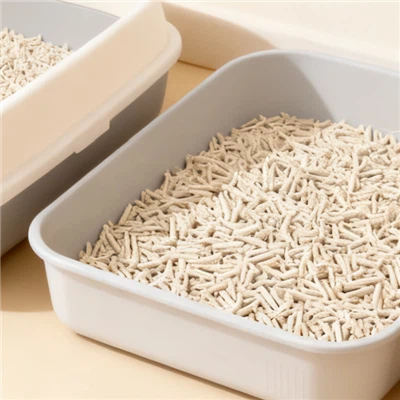
At the end of the day, knowing when to change your mixed cat litter is about balance. You don’t have to obsess over it (I’m not here to give you a 2 a.m. litter check list), but you do need to pay attention to the small signs: that ammonia smell, crumbly clumps, extra tracking, your cat’s weird behavior, and that sticky pan residue. If you notice any of these, it’s time to swap.
Tofu Cat Litter If you’re not sure which mixed litter is right for your cat, or you’re looking to stock up on high-quality, long-lasting options, feel free to reach out to us to chat about what works for your household. We’re here to answer any questions, whether you’re a single cat parent looking for bulk refills or a pet store owner wanting to carry our products. Don’t wait for the smell to get unbearable or your cat to start acting out—fresh litter is a small change that makes a big difference for both you and your furry friend.
References
- American Veterinary Medical Association. "Feline Litter Box Care and Management." AVMA, 2023.
- International Society of Feline Medicine. "Litter Box Best Practices for Indoor Cats." ISFM, 2022.
- Journal of Feline Medicine and Surgery. "Effects of Litter Type on Feline Respiratory Health and Elimination Behavior." 2021, vol. 23, no. 10, pp. 921-928.
Zhejiang Fuwan Pet Technology Co., Ltd.
We’re well-known as one of the leading mixed cat litter manufacturers and suppliers in China, featured by quality products and good service. Please rest assured to wholesale bulk customized mixed cat litter at competitive price from our factory.
Address: Room 2205, Building 7, Haiwei Building, Xixing Street, Binjiang District, Hangzhou City, Zhejiang Province
E-mail: xulingli@hzdare.com
WebSite: https://www.factorycatlitter.com/
