If you’ve ever walked into a concrete polishing shop, a tile installation site, or a stone fabrication workshop, chances are you’ve seen a diamond grinding disc. At first glance, they all look the same: a round metal disk with a rough, gritty surface made of tiny diamond particles attached to the edge. But after 12 years as a diamond grinding disc supplier, I can tell you this: not only are they not the same—their quality differences can make or break a project, cost you thousands in downtime, and even put workers at risk. I’ve seen this play out so many times, I stopped assuming every disc off a shelf would work the same way a long time ago. Diamond Grinding Disc
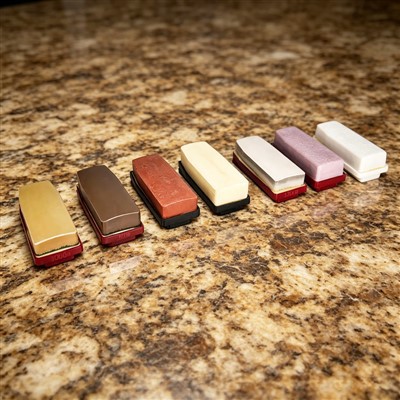
Let’s start with the basics. A diamond grinding disc isn’t just a piece of steel with diamonds glued on. It’s a carefully engineered tool, and every decision a manufacturer makes during production directly impacts how it performs. The first big factor is the diamond itself. Not all diamonds are created equal, even if they’re labeled “industrial grade.” There’s a hierarchy: top-tier diamonds are mined with consistent crystal structure, uniform size, and no internal flaws that would make them chip or break mid-use. Lower-grade industrial diamonds, by contrast, are often smaller, have inconsistent shapes, or are sourced from less refined mines to cut costs. A disc made with the latter might look like it has plenty of grit, but half of those diamonds will fall off the surface before you even finish a single concrete slab pass. I once watched a contractor use a cheap disc on a 1,000-square-foot warehouse floor—by the end, 30% of the diamonds were gone, leaving uneven grind marks that added three extra days of rework. That’s the kind of hidden cost no one talks about when comparing “cheap” vs. “premium” discs.
Next is the bond that holds those diamonds in place. The bond is the mixture of metal, resin, or other materials that acts like a glue, and its hardness is tailored to the job it’s meant for. Soft bonds release diamonds faster, which is perfect for grinding soft concrete where you need rapid material removal. Hard bonds hold diamonds tight, ideal for hard stone like granite where you don’t want the grit wearing down too quickly. The mistake many manufacturers make (especially the unregulated ones overseas) is using a one-size-fits-all bond to cut production time. A disc made with a bond too hard for soft concrete will glaze over—meaning the diamonds don’t wear down fast enough, so they become smooth and stop cutting. When that happens, you’re not grinding the floor; you’re just dragging a smooth disk across the surface. I had a customer last month tell me their crew spent two hours grinding a small patio with a cheap disc, and it barely removed any old sealer. They switched to our mid-grade disc, and the same job took 20 minutes. That’s the bond difference at work.
Then there’s the core of the disc. Most people don’t think about it, but the steel base that attaches to your grinding machine matters just as much. A thin, flimsy core might cut costs, but it flexes when you apply pressure, especially on large, heavy-duty grinders. That flex doesn’t just ruin the finish—it can warp the disc over time, leading to uneven cuts that require sanding or even re-laying concrete. High-quality discs use thick, heat-treated steel cores that resist flex, and some even have vibration-damping layers to reduce wear on both the disc and the machine. I’ve tested cheap discs that warped after a single 8-hour shift—suddenly, the contractor had to shut down to replace discs mid-job, which cost them money in labor and project delays. A quality core might cost a few dollars more upfront, but it pays for itself in consistent performance and less downtime.
What about the process of attaching the diamonds? There are two main methods: sintering and electroplating. Sintering involves heating the bond material and diamonds together under high pressure, which creates a permanent, strong bond that can handle heavy grinding and high heat. Electroplating, by contrast, uses a thin layer of nickel to attach diamonds, which is faster and cheaper but weaker. Electroplated discs are great for light jobs, like polishing small stone surfaces, but they fall apart under heavy concrete grinding. I’ve had customers come to me with electroplated discs that lost half their diamonds halfway through a commercial project—often because the nickel coating can’t handle the friction from concrete. Too many suppliers market electroplated discs as “multi-purpose,” and that’s where the quality gap becomes a nightmare for users.
Now, let’s talk about why most people don’t notice these differences at first. Cheap discs work—until they don’t. A small residential project, like grinding a 100-square-foot garage floor, might get away with a low-quality disc. It will take a little longer, the finish won’t be perfect, and you’ll go through a few more discs, but you’ll finish. But for commercial jobs, where time is money and consistency is non-negotiable, the quality gap is impossible to ignore. I once supplied discs for a 50,000-square-foot retail store project. The contractor tried a competitor’s cheap discs first—they had to replace discs 12 times, took 5 extra days, and the uneven grind marks meant they had to apply an extra coat of sealer to hide imperfections. They switched to our discs, finished in two days less, and only went through 3 discs. The cost difference upfront was $200 more, but they saved $15,000 in labor, rework, and project delays. That’s the real value of a quality disc.
I also want to mention something that’s easy to overlook: quality control. A reputable manufacturer tests every batch of discs, checking for diamond retention, bond hardness, core integrity, and balance. Cheap manufacturers don’t have that step. They cut corners on testing, so a batch of discs might have a weak bond one month and a good bond the next, leading to inconsistent performance. Last year, a customer told me they’d bought a pallet of discs from another supplier, and half of them were already broken when they unboxed them. That’s a manufacturing error that no amount of marketing can fix.
So, does that mean every diamond grinding disc is a scam? No. There are affordable, high-quality options that balance cost and performance. The problem is when buyers don’t know what to look for, and suppliers don’t tell them the whole story. It’s not just about “price vs. quality”—it’s about matching the disc to the job. A granite polisher doesn’t need the same heavy-duty sintered disc a concrete contractor does, and vice versa.
After 12 years in this business, I’ve built relationships with contractors who come to me not because our discs are the cheapest, but because they know they can rely on them. I’ve seen too many people waste money on cheap discs, deal with frustrated crews, and miss deadlines. If you’re working on a project, don’t just grab the first disc you see at the supply house. Ask questions: What grade of diamond is in this? What’s the bond hardness for? How was the diamond attached? If the supplier can’t give you clear answers, that’s a red flag.
At the end of the day, a diamond grinding disc is more than a tool—it’s an investment in your project. The difference between a quality disc and a cheap one isn’t just how much it costs; it’s how it performs, how long it lasts, and how much time and money it saves you in the long run. If you’re tired of dealing with discs that don’t cut, warp, or fall apart mid-job, we can help you find the right disc for your needs. Whether you’re a small residential contractor or a large commercial operation, we’ll walk you through the options, answer your questions, and make sure you get a tool that works as hard as you do.
If you’d like to talk more about which diamond grinding discs are right for your projects, don’t hesitate to reach out and connect with us to discuss your specific needs. We’re here to help you get the job done right, every time.
Metal Fickert Abrasive References
- American Society for Testing and Materials. Standard Test Method for Determining Cutting Performance of Diamond Grinding Wheels. ASTM International, 2021.
- Marshall, P. Engineering of Diamond Tools for Construction Applications. Industrial Diamond Review, vol. 78, no. 2, 2018, pp. 45-52.
- National Floor Covering Association. Best Practices for Concrete Surface Preparation: Tools and Techniques. NFCA, 2020.
- International Organization for Standardization. Abrasive Products – Bonded Diamond Grinding Wheels – Specifications and Marking. ISO 6363-1:2019.
- Smith, J. The Impact of Diamond Quality on Tool Performance in Heavy-Duty Grinding Operations. Journal of Construction Materials, vol. 14, no. 3, 2022, pp. 112-127.
Quanzhou Cheefung New Materials Co., Ltd.
As one of the most experienced diamond grinding disc enterprises in China, we are able to meet the needs of the majority of our customers. Please feel free to wholesale advanced diamond grinding disc made in China here from our factory. For price consultation, contact us.
Address: Jinshan Community, Licheng District, Quanzhou City, Fujian, China
E-mail: info@prostonetools.com
WebSite: https://www.prostonetools.com/
